
Table of Contents
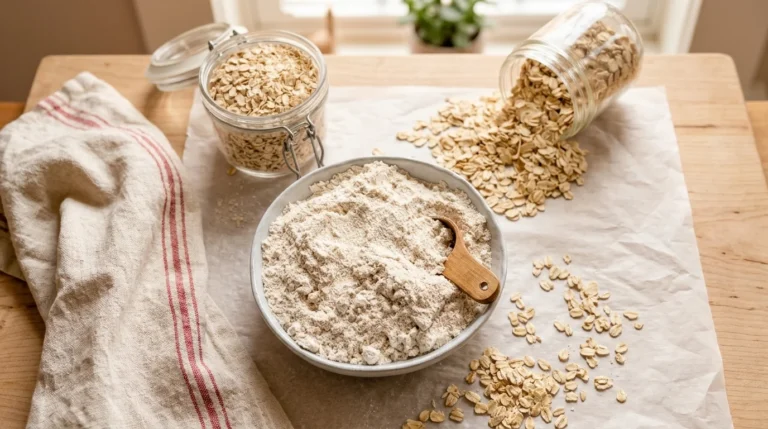
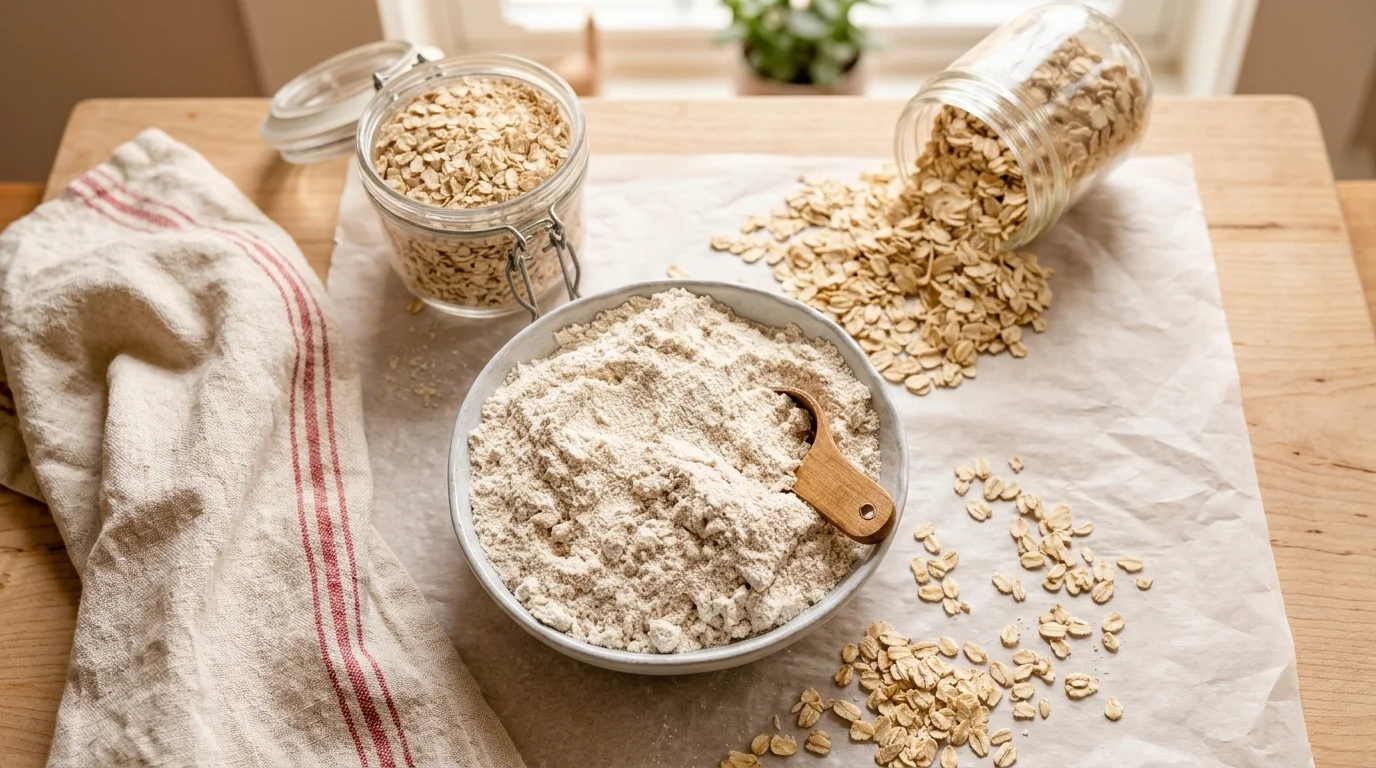
HeHere’s how to make oat flour: blend rolled or quick oats in a completely dry blender until they turn into a soft, fine powder. The blending takes about a minute, and if you bake gluten-free, start with certified gluten-free oats.
Oat flour is just blended oats. One ingredient!
But I don’t just blend and go. I toast my oats for 4 to 5 minutes first, and that little step makes a big difference (more on that below). My kid and I both have a gluten sensitivity, so I make gluten-free desserts for us, and for anyone else who needs them. Knowing how to make oat flour myself means I know exactly what’s in it and how it was made, every step. It’s also way cheaper than buying a bag of oat flour, and I get to decide how fine or toasty it is. That’s really why I started: I wanted desserts my kid and I could both eat, without wondering what was in them.
Is oat flour gluten free?
Oats don’t contain gluten. The problem is how they’re grown and processed. Regular oats often share fields, trucks, and mills with wheat and barley, so they can pick up gluten along the way.
So your oat flour is only as gluten-free as the oats you start with. For gluten-free oat flour, always look for oats labeled certified gluten-free on the bag.
In the US, any food labeled “gluten-free” has to contain less than 20 parts per million of gluten, under the FDA’s gluten-free labeling rule. Watch out for words like “100% oats”, “pure oats”, or “organic”. As Coeliac UK explains, those words don’t tell you whether the oats are gluten-free.
Want to see which other grains are naturally gluten-free? Here’s my full list of gluten-free grains.
Two more things worth knowing:
- If your blender has been used for regular flour or wheat crackers, wash and dry it well before you make oat flour.
- A small number of people with celiac (coeliac) disease also react to avenin, a protein in oats, even certified gluten-free ones. If you have celiac disease and haven’t eaten oats before, check with your doctor first.
Which oats work best?
I use rolled oats or quick oats, whichever I have in the cupboard. Both make good flour. Here’s how to make oat flour with each kind, plus the oats I’d skip.
Rolled oats (old-fashioned oats, or porridge oats in the UK): The classic choice. Oat flour from rolled oats comes out light and fluffy.
Quick oats: These are just rolled oats cut smaller, so they blend even faster. The only catch is volume. A cup of quick oats packs in more oats than a cup of rolled oats, so weigh them if you can.
Steel cut oats: They work, but they’re hard little pieces. They take longer to blend and come out grittier. If you’re wondering how to make oat flour from steel cut oats, toast them first and blend them in small batches. (And yes, you can find certified gluten-free steel cut oats too.)
Instant oatmeal packets: Skip these. Most have sugar and flavorings mixed in.
My secret: toast the oats first
Here’s my favorite trick, and a step I don’t see in other guides on how to make oat flour.
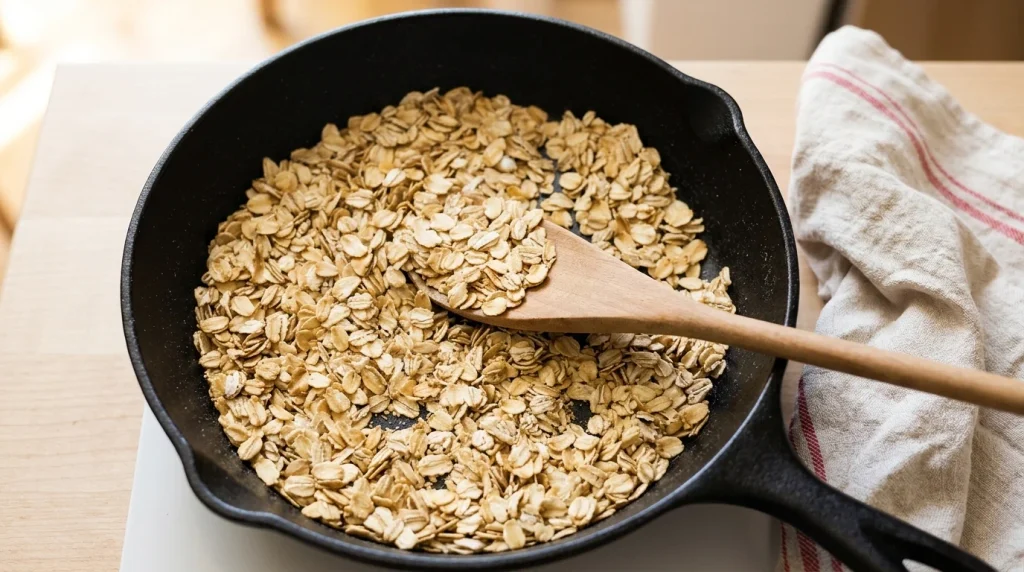
Oats still hold a little moisture, even straight from the bag. When you toast them for 4 to 5 minutes, that moisture dries out. Dry oats blend faster, turn more floury, and clump less. And because there’s less moisture in the jar, the flour keeps better in storage too. You also get a light nutty smell, which is so good in cookies and brownies.
I’ve tried all three ways below, and they all work. I don’t have a favorite. I use whichever one I have handy, and you can do the same.
- In a dry pan: Spread the oats in a wide skillet over medium-low heat. Stir often for 4 to 5 minutes, until they smell toasty and look one shade darker.
- In the oven: Spread them on a baking sheet and toast at 350°F (180°C) for 4 to 5 minutes. Give the tray a shake halfway.
- In the air fryer: Toast at 320°F (160°C) for 4 to 5 minutes and shake the basket halfway. Oats are light, so don’t skip the shake, or the top layer gets darker than the rest.
Let the oats cool completely before you blend them. Warm oats can steam a little in a closed blender, and that moisture is exactly what you just got rid of.
Don’t walk away while they toast! Oats go from golden to burnt quickly.
How to make oat flour in a blender or food processor
I use both a regular blender and a high-speed blender, and here’s the honest difference.
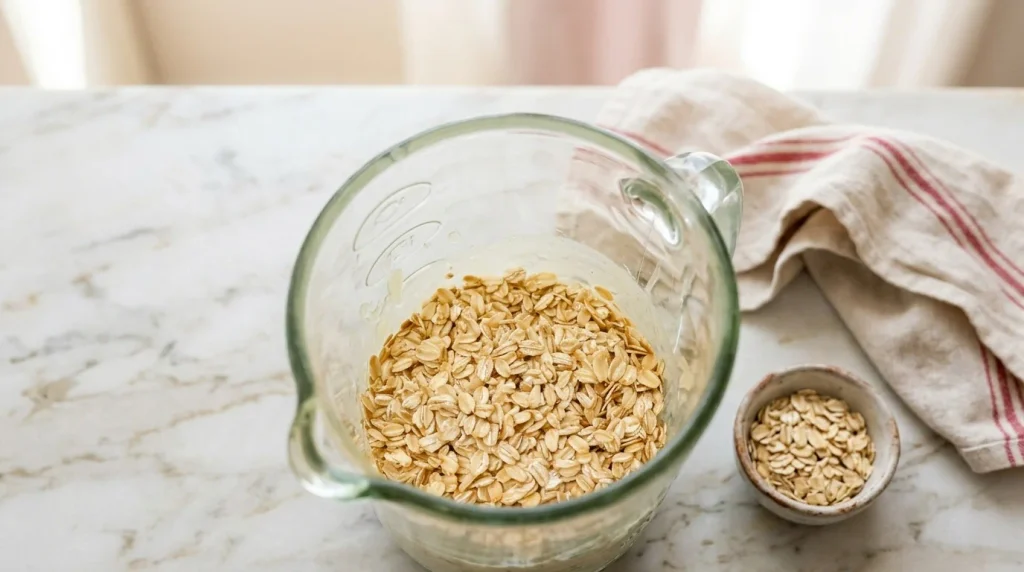
A high-speed blender gives you the finest, softest flour in about 30 to 60 seconds. A regular blender works too. It just takes longer, more like 1 to 2 minutes, and the flour comes out a bit grittier. A food processor works like a regular blender: fine for most baking, just not super powdery.
A few things help with any machine:
- Blend 1 to 2 cups of oats at a time. Smaller batches get finer.
- Start on low, then turn it up.
- Stop every 20 to 30 seconds to scrape down the sides and stir. Oats like to hide under the blade or stick to the walls.
- Make sure the jar is completely dry. Even a few drops of water turn oats into a pasty clump.
The flour is ready when it looks soft and powdery, with no whole flakes left, and feels smooth when you rub it between your fingers.
How to make oat flour without a blender or food processor
No blender or food processor? A coffee or spice grinder makes very fine oat flour. Grind about 1/2 cup at a time and wipe it out well first, so your flour doesn’t taste like coffee. An immersion blender in a tall jar works too, though the flour comes out coarser. It’s fine for pancakes, crisps, and cookies.
How much oats for 1 cup of oat flour?
If your recipe uses grams, this part is easy. Blending doesn’t change the weight. 100 g of oats gives you 100 g of oat flour, so just weigh out the same number of grams in oats.
Cups are where it gets confusing. Blending fills in all the air gaps between the flakes, so the flour takes up less space. One cup of rolled oats makes about 3/4 cup of oat flour. So no, 1 cup of oats is not the same as 1 cup of oat flour!
| Oat flour you need | Rolled oats to blend |
|---|---|
| 1/4 cup | 1/3 cup |
| 1/3 cup | 1/2 cup (scant) |
| 1/2 cup | 2/3 cup |
| 3/4 cup | 1 cup |
| 1 cup | 1 1/3 cups |
I measure both ways, depending on the recipe. If you use cups, measure the flour after blending. Spoon it into the cup and level it off. Don’t scoop it or pack it down. Oat flour is fluffy, and packing it can add a lot of extra flour to your batter.
Blend a little extra if you’re not sure. Leftovers keep in a jar.
Is oat flour the same as plain flour?
No. You can’t swap oat flour for plain (all-purpose) flour or a gluten-free flour blend cup for cup.
Oat flour has no gluten, so it can’t stretch and trap air the way wheat flour does. It also soaks up more liquid. If you swap it in 1:1, you usually get a dense, heavy, or crumbly bake.
What works better:
- Use recipes written for oat flour.
- If you use a gluten-free flour blend, replace 30 to 40% of the blend with oat flour. I do this in my fluffy gluten-free pancakes, and it makes them softer and less gummy.
Oat flour isn’t self-rising (self-raising) either. It has no baking powder in it, so your recipe still needs its own leavening. And for bread, oat flour won’t rise on its own. It works best mixed with other gluten-free flours and a binder.
Oat flour substitutes
Out of oat flour, and out of oats too? These gluten-free flours can stand in, but none of them behaves exactly the same, so expect a slightly different texture.
- Gluten-free all-purpose flour blend: The easiest swap in cookies, muffins, and pancakes. Your bake comes out a little lighter, and you lose the nutty oat flavor.
- Sorghum flour: Mild and a little sweet, so it’s the closest in flavor.
- Buckwheat flour: It works, but it tastes earthy and strong. I’d only use it for part of the flour.
- Almond flour: Not a straight swap. It doesn’t soak up liquid the way oat flour does, so bakes come out wetter and flatter. It works best mixed with another flour.
Swap by weight if you can, and keep an eye on the batter. If it looks runnier than usual, add a spoonful more flour.
Why is my oat flour gritty?
Usually it’s one of three things: a regular blender, steel cut oats, or a big batch that didn’t get blended evenly.
Honestly? I never throw gritty oat flour away. I use it anyway. A little texture is part of what I love about oat flour. It makes cookies chewier and crumble toppings more rustic.
Slightly gritty oat flour is great in a crumble topping, like the one on my apple crisp with oatmeal.
Want to know how to make oat flour finer, say for a soft cake? Try this:
- Toast the oats first, so they blend more easily.
- Blend in smaller batches.
- Sift the flour through a fine sieve and blend the bigger bits again.
How to store oat flour
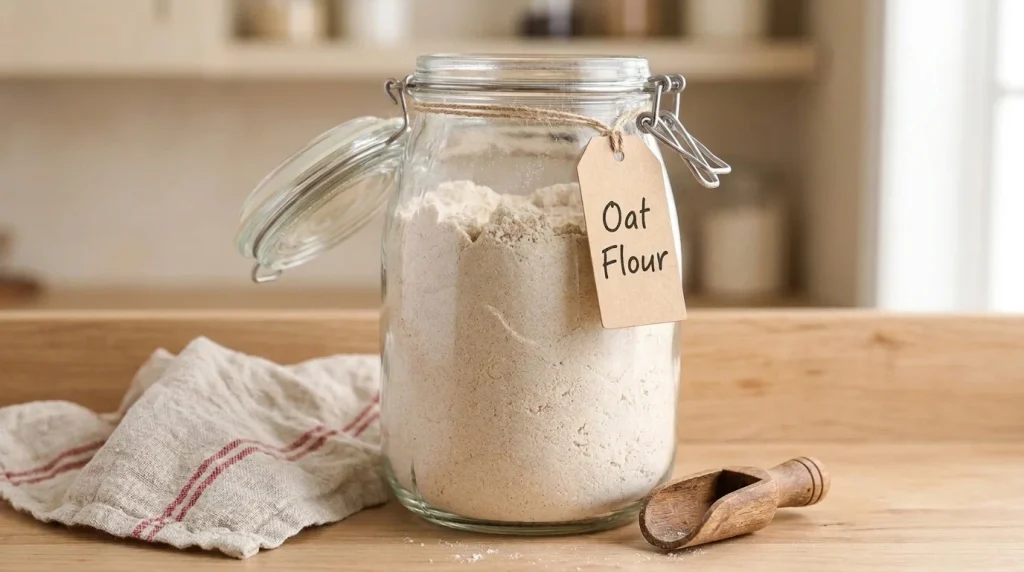
Now that you know how to make oat flour, here’s how to keep it fresh. Let the flour cool if it’s warm from the blender, then store it in an airtight jar in a cool, dry cupboard. It keeps for about 3 months there, or longer in the freezer. In my kitchen, toasted oat flour keeps better, because there’s less moisture in it.
Oats have natural oils, so oat flour can go stale. Smell it before you bake. If it smells bitter or like old paint, throw it out.
Label the jar with the date, and whether it’s toasted or plain. Once you have both in the cupboard, they look almost the same!
More oat flour FAQ
Is oat flour just blended oats?
Yes, that’s all it is. Store-bought oat flour is the same thing, just milled finer.
Is oat flour healthier than oatmeal?
It’s the same food, ground up. Nothing gets taken out when you blend, so you get the same whole grain as a bowl of oatmeal.
Can you use oat flour to thicken gravy?
You can. Whisk it into a little cold liquid first so it doesn’t clump, then simmer for a few minutes to cook out the raw taste. The sauce will taste slightly of oats and look less glossy than one made with cornstarch.
How long does it take to make oat flour?
The blending takes about a minute. With toasting and cooling, plan on about 15 to 20 minutes.
How to make oat flour with quick oats
The same way as rolled oats. Quick oats blend even faster, so check after about 30 seconds. If your recipe uses cups, weigh them, because a cup of quick oats holds more oats than a cup of rolled oats.
How to make oat flour for pancakes
Make it exactly the same way, then use it in a pancake recipe written for oat flour. You can also swap 30 to 40% of your gluten-free flour blend for oat flour, which makes the pancakes softer.
What to bake with oat flour
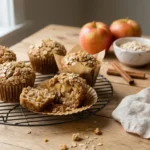
Once you know how to make oat flour, you’ll want it in everything. I love it in all my recipes, so it’s hard to pick favorites! These are a good place to start:
- Gluten-free brownies: fudgy and made in one bowl.
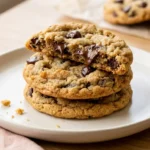
- Gluten-free oatmeal cookies: oat flour and whole oats together, for chewy middles.
- Pumpkin gooey butter cake: a soft pumpkin cake for fall and Thanksgiving.
- Gluten-free chocolate delight: the crust uses homemade oat flour and pecans.
If you make your own oat flour, I’d love to hear what you bake with it. Leave a rating in the recipe card, and tell me in the comments whether you toasted your oats.
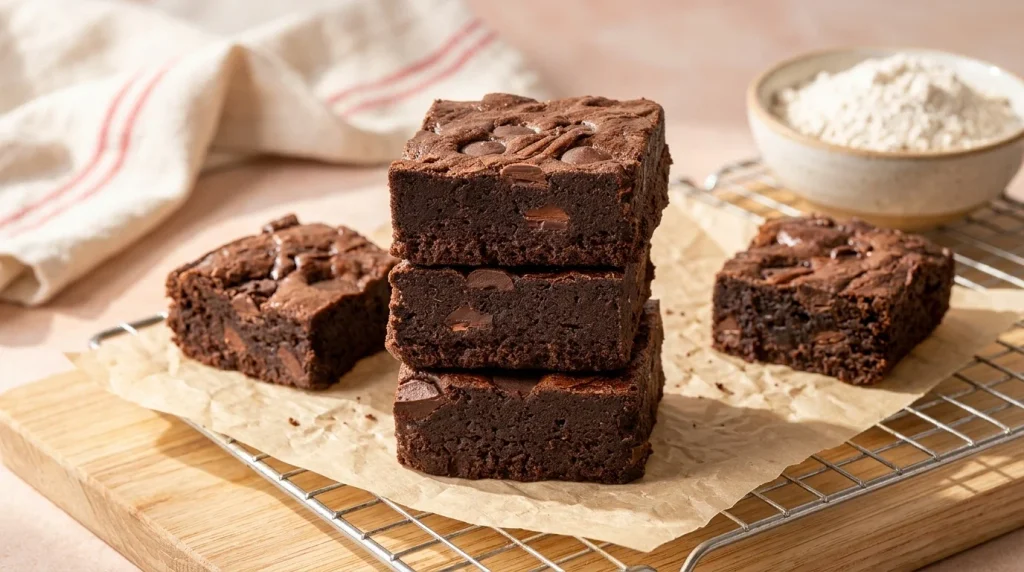
How to make oat flour
Toasted, finely blended oats that you can use in any gluten-free recipe calling for oat flour.