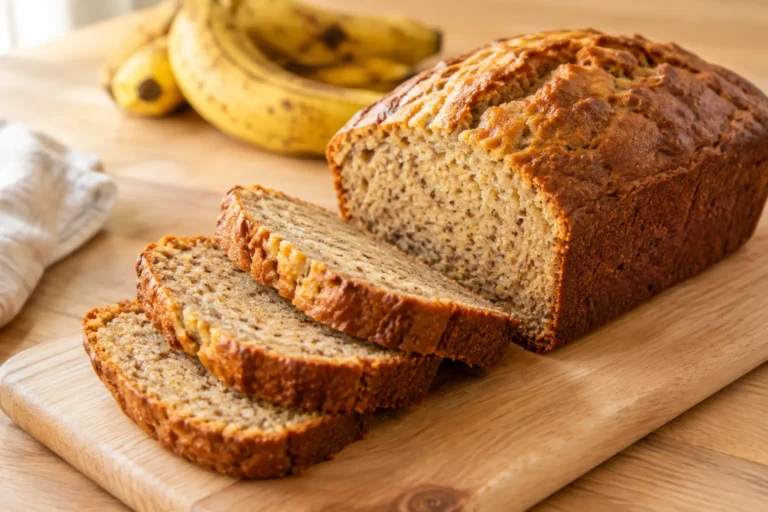

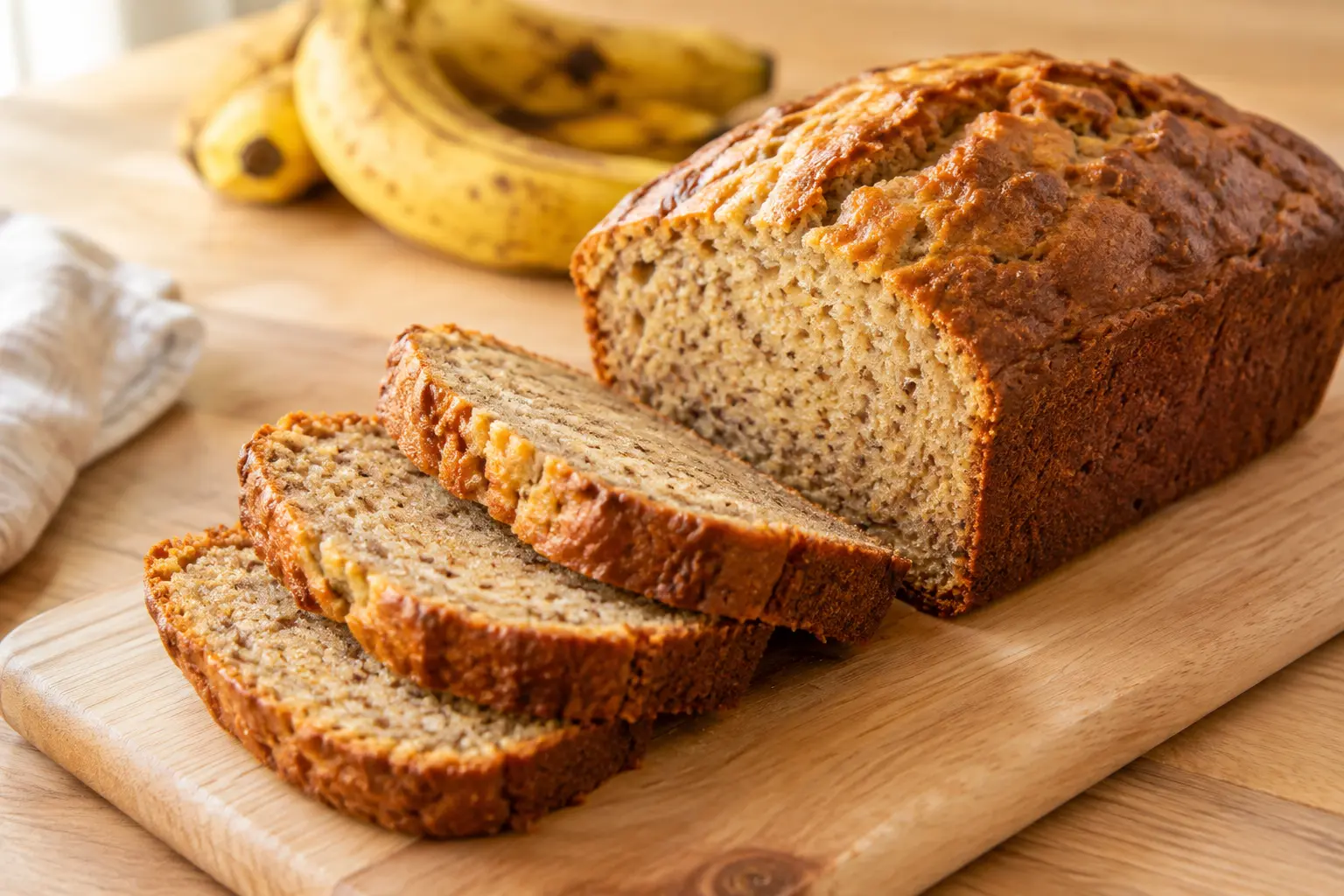
If you’ve ever pulled a gummy, sunken loaf out of the oven, this gluten free banana bread recipe is your redemption. It bakes up moist, tender, and genuinely foolproof, whether you use a store-bought 1:1 flour blend, boost it with almond flour, or go completely dairy-free. Below you’ll find the science, the master ratios, the swaps, and the fixes, so every banana bread gluten free loaf you make comes out right the first time. It’s one of our favorite gluten-free desserts to bake on a slow weekend morning.
Table of Contents
Executive Summary & The Secret to Perfect Gluten-Free Quick Bread
This gluten free banana bread recipe works because it balances fat and liquid, so the crumb stays moist without turning heavy or gummy. It gives you flexible flour blend options, from a classic 1:1 mix to an almond-flour boost, so you can bake with what’s already in your pantry. And the sweetness is fully customizable, letting you scale the sugar to match how ripe your bananas are.
Key Takeaways for This Gluten Free Banana Bread Recipe
| At a Glance | Details |
|---|---|
| Preparation time | 10–15 minutes |
| Bake time | 50–65 minutes |
| Target internal temp | 205°F (96°C) |
| Standard loaf pan size | 8½ x 4½-inch or 9 x 5-inch |
| Core moisture anchor | Mashed banana combined with sour cream or yogurt, or a calibrated 1:2 ratio of oil to liquid/milk |
The Science of Gluten-Free Banana Bread (Flours, Starches & Binders)
Without gluten, the protein found in wheat, barley, and rye, starches and binders do all the structural work. That’s why the flour and binder you choose shape this gluten free banana bread recipe more than any other decision.
Selecting the Right Gluten-Free Flour Blend
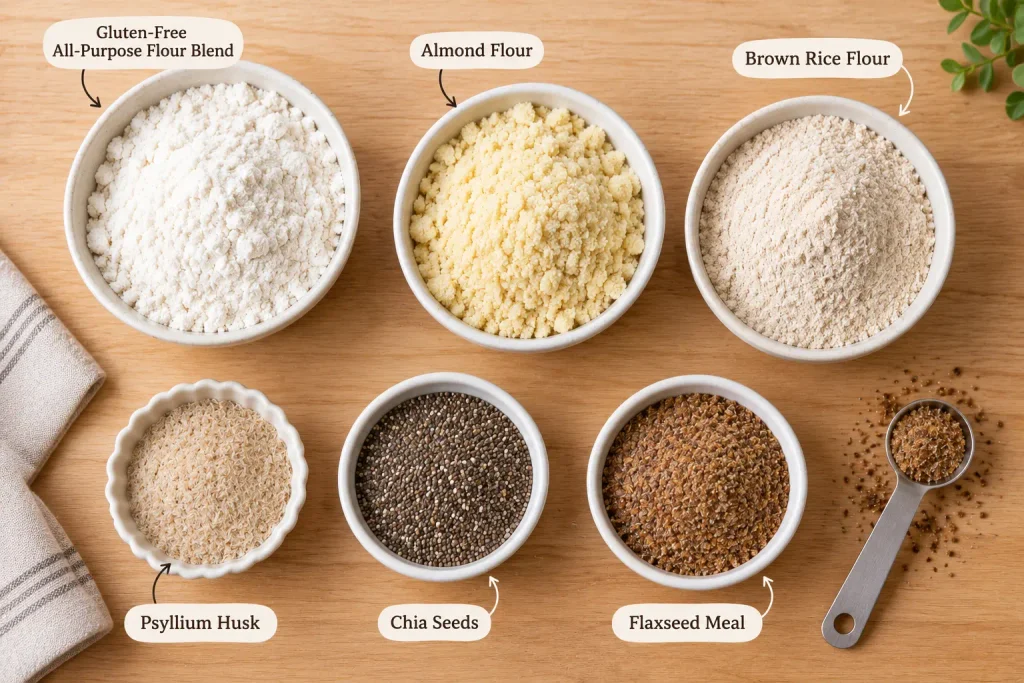
- 1:1 all-purpose blends: For most home bakers, a 1:1 blend is the simplest base for a gluten free recipe for banana bread. Commercial options like Bob’s Red Mill 1-to-1, Cup4Cup, and Pillsbury combine rice flour, potato starch, and tapioca flour to mimic the lift and tenderness of wheat flour.
- Almond flour enhancement: Replace ¼ to ½ cup of your standard blend with almond flour. It adds healthy fats and extra moisture, and it gives the loaf a finer, more cake-like crumb, the same trick behind many of our gluten-free cake recipes.
- Single-flour pitfalls: Don’t swap in pure white rice flour, which yields a gummy texture. Pure coconut flour and pure oat flour also fail unless you adjust the liquid ratios, because they absorb moisture very differently. If you do use oat flour, choose one labeled gluten-free; under FDA gluten-free labeling rules, that label means the product contains less than 20 parts per million of gluten.
- The specialty single-grain exception: Brown rice flour is the budget-friendly outlier. It succeeds as a standalone flour in specific low-gum, Japanese-style bakes when combined with crushed sesame (see Variation 3 below).
Xanthan Gum vs. Natural Binding Substitutes
Standard recipes call for ¼ to ¾ tsp xanthan gum per loaf if your flour blend doesn’t already include it. Want a moist gluten free banana bread with no xanthan gum? Use one of these natural binders instead.
| Binder Option | Substitution Ratio | Preparation Method | Best Suited For |
|---|---|---|---|
| Psyllium husk | 1 tsp whole psyllium husk | Mix with 2 tbsp warm water; let gel 5 minutes | Yeast-free loaves & high-fiber bakes |
| Chia seed gel | 1 tbsp ground chia seeds | Soak in 3 tbsp warm water until viscous | Vegan & egg-free variations |
| Flaxseed meal | 1 tbsp flaxseed meal | Mix with 3 tbsp water (1:3 ratio) | Whole-grain, nutty flavor profiles |
| Grated apple pectin | 1 cup finely grated fresh apple | Blend directly into the mashed banana wet mixture | Fruit-infused & low-gum recipes |
The Great Banana Debate Overripe vs. Barely Ripe
Banana ripeness controls sweetness, moisture, and crumb, so it’s worth choosing deliberately.
Banana Chemistry & Ripeness Spectrum
- Overripe (black, spotty) bananas: These have the highest sugar concentration and the sweetest, most intense banana flavor. However, their extra liquid can weigh down a gluten-free batter, leading to a dense center if your flour isn’t measured accurately with the spoon-and-level method.
- Slightly ripe (yellow with mild flecks): These produce a lighter, fluffier crumb structure with a reduced risk of mushiness.
Either stage works in this gluten free banana bread recipe. Just measure your mash (1 cup) instead of counting bananas, since fruit size varies widely.
3 Rapid Banana Ripening Hacks
No spotty bananas on hand? These shortcuts get your gluten free banana bread recipe in the oven today.
- Microwave method: Pierce the skins with a fork, then microwave in 30-second bursts until soft.
- Oven roasting: Bake whole, unpeeled bananas on a baking sheet at 300°F (150°C) for 15–20 minutes, until the skins turn black.
- Ethylene paper bag method: Seal bananas in a brown paper bag with an apple or tomato for 24–48 hours. Bananas release ethylene gas, which speeds ripening as it builds up in an enclosed space.
Master Ingredient Ratios & Dairy-Free Substitutions
These ratios are the backbone of the best gluten free banana loaf. Adjust within each range to suit your flour blend, your bananas, and your taste. Get this balance right and any gluten free banana bread recipe turns out moist and tender.
| Dry Base | Moisture & Fats | Sweeteners & Flavor |
|---|---|---|
| 1½–2 cups gluten-free flour | 1 cup mashed banana (2–3 medium bananas) | ½–1 cup sugar (granulated, brown, or coconut sugar) |
| 1 tsp baking soda | ½ cup butter or oil (coconut, olive, or avocado) | 1–2 tsp vanilla extract |
| 1 tsp baking powder | ½ cup sour cream, yogurt, or plant milk | Warm spices (cinnamon, nutmeg, cardamom) |
| ½ tsp salt | 2 large eggs (room temperature) | Optional mix-ins (nuts, chocolate chips) |
| ¼–¾ tsp xanthan gum (if not in blend) |
Ingredient Swap Matrix
Turning this gluten free banana bread recipe into an easy dairy free banana bread, or a fully gluten and dairy free banana bread, takes just a few smart swaps.
| Traditional Ingredient | Recommended GF / DF Swap | Impact on Crumb & Texture |
|---|---|---|
| Melted butter | Refined or virgin coconut oil, extra-virgin olive oil, or avocado oil | Coconut and olive oil add fruity depth and rich moisture without dairy. |
| Dairy sour cream | Plain dairy-free yogurt, coconut cream, or dairy-free heavy cream | Keeps the acidic tenderizing effect and produces an exceptionally soft crumb. |
| Granulated sugar | Coconut sugar or brown sugar | Adds a subtle caramel undertone; may produce a slightly darker loaf. |
| Whole eggs | Chia or flax eggs (1 tbsp meal + 2.5 tbsp water per egg) or applesauce | Works best in muffins or smaller loaf sizes to prevent the center from collapsing. |
For a vegan gluten free banana bread, combine all three dairy and egg swaps: oil instead of butter, dairy-free yogurt instead of sour cream, and chia or flax eggs. Bake it as muffins or a smaller loaf for the most reliable rise.
Step-by-Step Baking Method & Technique Protocols
Technique matters even more than ingredients in gluten-free baking. Follow these five protocols and your gluten free banana bread recipe will rise evenly and slice cleanly.
Precision Mixing & Assembly
- Preheat and set up the pan: Preheat the oven to 350°F (175°C), or 325°F if you’re using a rice flour blend. Line your loaf pan with a parchment paper sling so the bread lifts out cleanly.
- Follow the room-temperature rule: Make sure eggs, milk, and melted fats are at room temperature. This prevents the batter from separating and promotes an even rise.
- Measure flour precisely: Always use a digital scale in grams or the spoon-and-level technique. Never scoop directly from the bag with your measuring cup, which packs in extra flour and dries out the loaf.
- Prevent mix-ins from sinking: Toss chocolate chips or chopped nuts in 1–2 tablespoons of the dry flour mixture before folding them into the batter.
- Bake and tent: Bake for 50–65 minutes. If the top browns too quickly while the center finishes cooking, loosely tent the pan with aluminum foil at the 40-minute mark. The loaf is done when the center reaches about 205°F (96°C), the most reliable doneness test for any gluten free banana bread recipe.
Flavor Variations & Signature Twist Recipes
Once you’ve mastered the base gluten free banana bread recipe, these four twists turn one gluten free banana loaf into a whole rotation.
1. Classic Chocolate Chip & Walnut Loaf
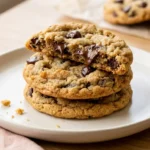
Fold in ½ to 1 cup of mini chocolate chips plus chopped toasted walnuts or pecans. Remember to coat them in a spoonful of the flour mixture first so they stay suspended in the crumb. Love this flavor combo? You’ll find it again in our gluten-free cookies.
2. Spiced Ginger, Apple & Cardamom Loaf
Combine the mashed banana with finely grated fresh apple, fresh lemon zest, ground ginger, and cardamom, then fold in chunks of crystallized ginger. The grated apple doubles as a natural binder, making this a great low-gum option.
3. Japanese-Style Black Sesame & Brown Rice Loaf
Use a brown rice flour base with ¾ cup milk or plant milk, ⅓ cup olive oil, and ¼ cup crushed black sesame seeds. The result is nutty, subtly savory, and beautifully speckled, proof that a gluten free banana bread recipe can shine without a commercial flour blend.
4. Demerara Sugar-Crusted Caramel Loaf
Sprinkle 1 dessertspoon of coarse Demerara or turbinado sugar over the batter right before it goes into the oven. It bakes into a sweet, crunchy, caramel-like crust and is the easiest way to dress up this gluten free banana bread recipe for guests.
Gluten-Free Baking Troubleshooting & FAQ Guide
Even a reliable gluten free banana bread recipe can misbehave when ovens, flours, or bananas change. Use this gluten free banana bread troubleshooting guide to diagnose the problem and fix it on your next bake.
Troubleshooting Matrix
| Problem | Root Cause | Actionable Fix |
|---|---|---|
| Soggy or gummy center | Sliced while warm, the wrong flour blend (pure white rice), or excess banana moisture | Cool in the pan 15–20 minutes, then on a wire rack until completely cool. Verify the internal temp hits about 205°F. |
| Sunken middle / collapsed loaf | Oven door opened too early, expired baking soda or powder, or over-activated egg substitutes | Calibrate your oven with an oven thermometer. Keep the door shut for the first 40 minutes. |
| Dry or crumbly texture | Excess flour from cup-scooping, or a missing xanthan gum or binder | Spoon and level your flour. Make sure xanthan gum or a gel binder is in the batter. |
| Burnt top, raw interior | Oven temperature too high, or a baking pan that’s too dark | Tent with foil at 40 minutes, and reduce the oven temp by 25°F if using dark metal tins. |
Frequently Asked Questions (FAQ)
Q: Can I turn this gluten free banana bread recipe into muffins?
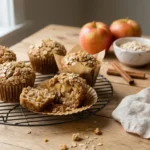
A: Yes! Gluten free banana bread muffins are quick and easy. Divide the batter into lined muffin tins and bake at 350°F–400°F (175°C–200°C) for 18–25 minutes, until a toothpick inserted in the center comes out clean.
Q: What is the best way to store and freeze gluten-free banana bread?
A: Store the loaf wrapped tightly at room temperature for 3–7 days. Avoid the refrigerator, which speeds up staling in gluten-free bakes. To freeze, slice the loaf, wrap individual slices in parchment paper, and store them in a zip-top freezer bag for up to 3–4 months.
With the right flour, a calibrated binder, and patient cooling, this gluten free banana bread recipe will become your go-to loaf. Bake it once as written, then make it your own with the swaps and twists above. For more tested gluten-free bakes, explore the full recipe collection at Slice of Sweet.