
Table of Contents
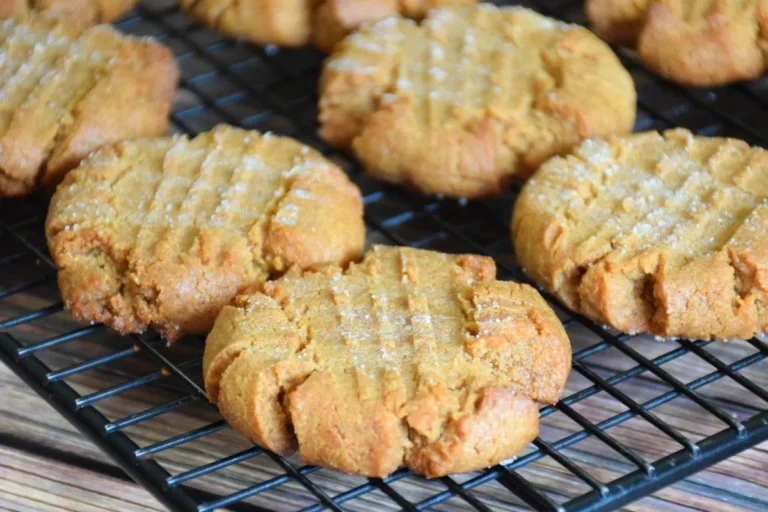
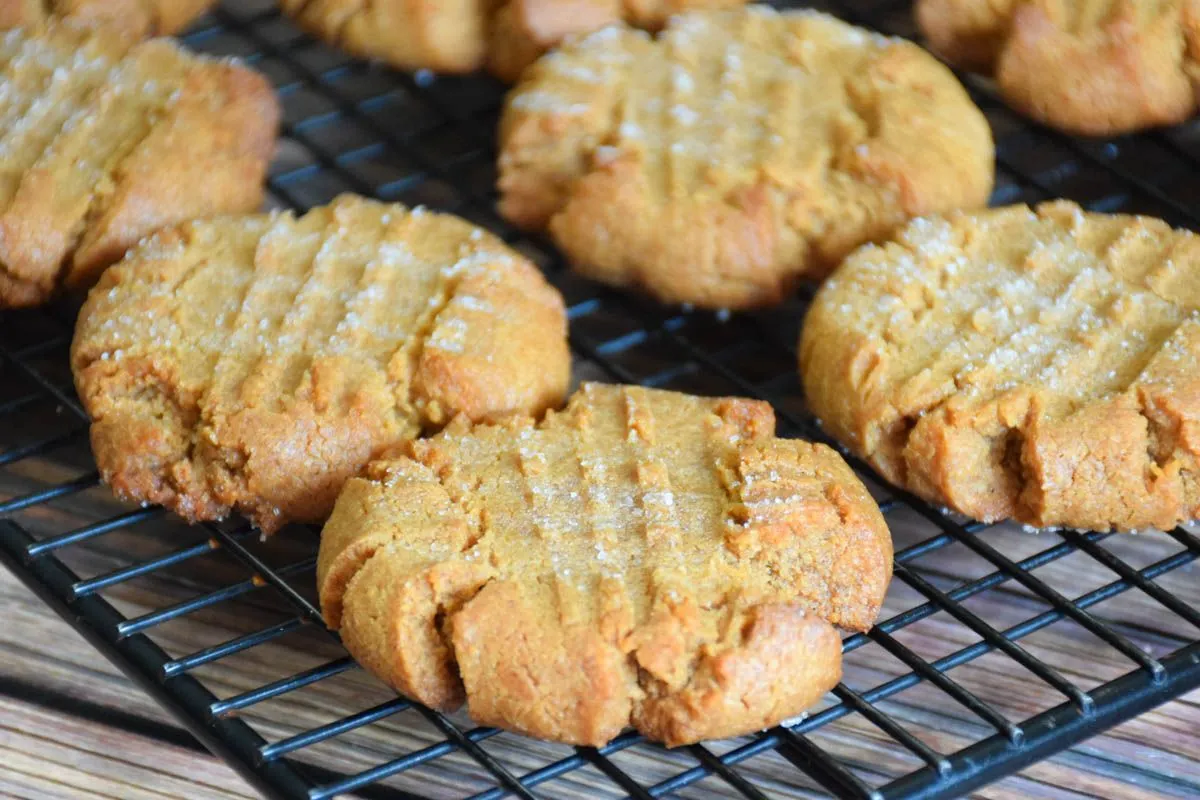
Gluten free peanut butter cookies are one of the easiest gluten-free bakes you can make, because peanut butter already does most of the work that wheat flour does in a regular cookie. It adds fat, protein, and structure. That’s why you can make them two ways: with no flour at all, or with a gluten-free flour blend for a thicker, more bakery-style cookie.
This guide covers both versions, which peanut butter to buy, how to keep the cookies soft, and what to do when a batch spreads too much or crumbles.
Are peanut butter cookies naturally gluten free?
The flourless kind are, as long as every ingredient is certified or labeled gluten-free. A basic flourless cookie is peanut butter, sugar, and egg. None of those contain gluten on their own.
The catch is labeling. Pure peanut butter is naturally gluten free, but not all store-bought peanut butter is, because some brands add ingredients or are made on shared lines. Check the label on your peanut butter, baking soda, and vanilla extract, and keep checking each time you buy, since recipes and factories change.
If you bake for someone with celiac disease, also watch for cross-contact in your kitchen. Use a clean mixing bowl, clean baking sheets, and a fresh jar of peanut butter that hasn’t had a knife with bread crumbs in it.
Flourless vs. gluten-free flour: which version should you make?
Both versions are good. They just produce different cookies.
| Flourless version | Gluten-free flour version | |
|---|---|---|
| Main ingredients | Peanut butter, sugar, egg, baking soda | Peanut butter, butter, sugars, egg, GF flour blend |
| Number of ingredients | 4 to 6 | 9 |
| Prep time | 10 minutes | 15 minutes + 30 minutes chilling |
| Texture | Dense, fudgy, chewy center | Soft, thicker, more cake-like chew |
| Peanut flavor | Very strong | Strong, slightly more buttery |
| Spread | Flatter | Holds shape better |
| Best for | Quick baking, fewest ingredients, dairy-free | Classic bakery-style cookies |
| Dairy-free? | Yes | No (unless you swap the butter) |
Some gluten-free bakers skip the flourless style for this exact reason. One recipe developer at Allergy Awesomeness finds flourless versions flatter and prefers making the full recipe with a flour blend. Others make the flourless kind for decades and never look back. Try both and see which you like.
Choosing the right peanut butter
Peanut butter type matters more than anything else in these cookies. It decides whether your dough holds together or turns into an oily puddle.
| Peanut butter type | How it bakes | Recommendation |
|---|---|---|
| Regular creamy (Jif, Skippy style) | Stable dough, consistent spread, soft texture | Best choice for both versions |
| Natural (oil separates) | Can make dough greasy and cookies spread more | Usable if stirred very well; chill the dough |
| Crunchy | Adds texture but can make cookies drier | Fine in the flour version; less ideal in flourless |
| Reduced fat | Dry, crumbly cookies | Avoid |
A few bakers explain why. Mama Knows Gluten Free avoids natural peanut butter here because its oil separation can make the dough greasy and cause spreading. Two Peas & Their Pod warns that crunchy or reduced-fat peanut butter can leave cookies dry and crumbly, and says that if you do use natural peanut butter, it should be stirred thoroughly until drippy rather than dry.
Recipe 1: Flourless gluten free peanut butter cookies
This is the fastest version. One bowl, no mixer, and the dough is ready in about five minutes.
Makes: about 18 cookies
Prep time: 10 minutes
Bake time: 9 to 11 minutes
Ingredients
| Ingredient | US measure | Metric |
|---|---|---|
| Creamy peanut butter | 1 cup | 250 g |
| Light brown sugar, packed | 1/2 cup | 100 g |
| Granulated sugar | 1/4 cup | 50 g |
| Large egg | 1 | 1 |
| Baking soda | 1/2 tsp | 2.5 g |
| Vanilla extract (gluten-free) | 1 tsp | 5 ml |
| Salt | 1/4 tsp | 1.5 g |
Instructions
- Heat the oven to 350°F (175°C) and line two baking sheets with parchment paper.
- In a medium bowl, stir the peanut butter, brown sugar, and granulated sugar until smooth.
- Add the egg, baking soda, vanilla, and salt. Stir until the dough is glossy and has no streaks of egg.
- Scoop 1 tablespoon portions and roll them into balls. Place them 2 inches apart.
- Press each ball with a fork in one direction, then again at a right angle to make a crosshatch.
- Bake for 9 to 11 minutes, until the edges are set and the centers still look soft.
- Let the cookies cool on the pan for 10 minutes. They’re fragile when hot and firm up as they cool.
Watch: flourless peanut butter cookies step by step
This short video shows the flourless method from mixing to the fork press.
Recipe 2: Soft and chewy gluten free peanut butter cookies with flour
This version uses butter and a gluten-free all-purpose flour blend. The cookies are thicker, softer, and closer to the classic bakery kind.
Makes: about 24 cookies
Prep time: 15 minutes
Chill time: 30 minutes
Bake time: 10 to 12 minutes
Ingredients
| Ingredient | US measure | Metric |
|---|---|---|
| Unsalted butter, softened | 1/2 cup | 113 g |
| Creamy peanut butter | 3/4 cup | 190 g |
| Light brown sugar, packed | 1/2 cup | 100 g |
| Granulated sugar | 1/2 cup | 100 g |
| Large egg | 1 | 1 |
| Vanilla extract (gluten-free) | 1 tsp | 5 ml |
| Gluten-free all-purpose flour (with xanthan gum) | 1 1/4 cups | 175 g |
| Baking soda | 1/2 tsp | 2.5 g |
| Salt | 1/4 tsp | 1.5 g |
Instructions
- Beat the butter, peanut butter, brown sugar, and granulated sugar for about 2 minutes, until light and creamy.
- Beat in the egg and vanilla.
- In a separate bowl, whisk the flour, baking soda, and salt.
- Add the dry ingredients to the wet ones and mix on low just until no dry flour is left.
- Cover the bowl and chill for 30 minutes. Gluten-free flour needs this time to absorb moisture, and the cold butter keeps the cookies from spreading.
- Heat the oven to 350°F (175°C). Roll the dough into 1 1/2 tablespoon balls and press with a fork.
- Bake for 10 to 12 minutes. Pull them when the edges are just golden and the tops still look slightly underdone.
- Cool on the pan for 5 minutes, then move them to a wire rack.
A note on flour blends
Use a blend that already contains xanthan gum, or add 1/2 teaspoon yourself. Without a binder, the cookies crumble. Blends also vary a lot in how much liquid they absorb, so your results may change depending on which gluten-free flour you choose. If your dough feels sticky after chilling, add 1 to 2 tablespoons more flour.
Watch: gluten free peanut butter cookies with flour
This video walks through a soft-baked version made with a gluten-free flour blend.
Source: The Only Gluten-Free Peanut Butter Cookie Recipe You’ll Ever Need (YouTube)
How to get soft, chewy cookies every time
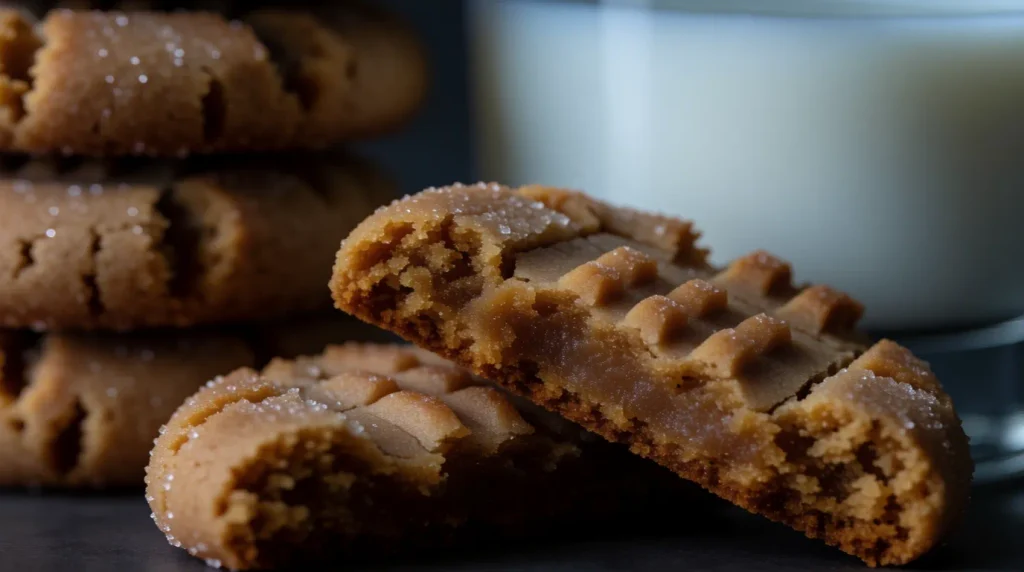
Most dry or crumbly peanut butter cookies are overbaked. The centers should look a little raw when you take them out. They keep cooking on the hot pan. For flourless cookies, Two Peas & Their Pod suggests checking them at the 8-minute mark.
Brown sugar also helps. It holds more moisture than white sugar, so a higher share of brown sugar gives a chewier cookie. Both recipes above use it for that reason.
Finally, measure the flour by weight if you can. A cup of gluten-free flour scooped straight from the bag can weigh 20 to 30 grams more than a spooned and leveled cup, and that extra flour makes cookies dry.
| Problem | Likely cause | Fix |
|---|---|---|
| Cookies spread too thin | Natural peanut butter, warm dough, or melted butter | Use regular creamy peanut butter and chill the dough 30 minutes |
| Cookies are dry and crumbly | Overbaking, too much flour, reduced-fat peanut butter | Bake 1 to 2 minutes less; weigh flour; use full-fat peanut butter |
| Cookies fall apart | No binder in the flour blend, or moved while hot | Use a blend with xanthan gum; cool 10 minutes on the pan |
| Greasy bottoms | Oil from natural peanut butter | Stir the jar thoroughly or switch to a stabilized brand |
| Too sweet | Sweetened peanut butter plus full sugar | Cut sugar by 2 tablespoons or add a pinch more salt |
| Flat taste | Unsalted peanut butter and no added salt | Add 1/4 tsp salt or sprinkle flaky salt on top |
Troubleshooting common problems
Variations to try
Once you have the base recipe down, it’s easy to change. Press mini chocolate chips into the tops before baking, or roll the dough balls in granulated sugar for a crackly outside. For a peanut butter blossom, skip the fork press and push a chocolate kiss into each cookie right after it comes out of the oven.
If you need an egg-free version, a flax egg (1 tablespoon ground flaxseed mixed with 3 tablespoons water, rested 5 minutes) works in the flour recipe. In the flourless recipe the egg holds everything together, so the results with flax are more fragile.
You can also swap the peanut butter for almond butter or sunflower seed butter. Sunflower seed butter sometimes turns green inside when baked. It’s a harmless reaction between the seeds and baking soda, and using a little less baking soda reduces it.
Storing and freezing
| Method | How | How long |
|---|---|---|
| Room temperature | Airtight container, with a slice of gluten-free bread to keep them soft | 4 to 5 days |
| Refrigerator | Airtight container | Up to 1 week |
| Freeze baked cookies | Single layer until firm, then a freezer bag | Up to 3 months |
| Freeze dough balls | Scoop, freeze on a tray, then bag | Up to 3 months; bake from frozen, add 1 to 2 minutes |
Frequently asked questions
Can I make gluten free peanut butter cookies without eggs?
Yes. Use a flax egg in the flour version. For the flourless version, egg-free recipes exist, but the cookies are more crumbly because the egg is the main binder.
Why are my flourless peanut butter cookies so flat?
Flourless cookies are naturally thinner than cookies made with flour. Chilling the dough for 20 minutes and using regular creamy peanut butter instead of natural peanut butter both help them hold their shape.
Do I need xanthan gum?
For the flour version, yes, unless your blend already includes it. The flourless version doesn’t need it.
Can I use almond flour instead of a gluten-free flour blend?
You can, but the cookies will be more tender and fragile. Use about 1 1/2 cups (150 g) of blanched almond flour in place of the blend and chill the dough for a full hour.
Are these cookies safe for people with celiac disease?
They can be, if every ingredient is labeled gluten-free and your kitchen tools are free of crumbs and flour dust. Anyone with celiac disease should follow their own doctor’s advice on cross-contact.