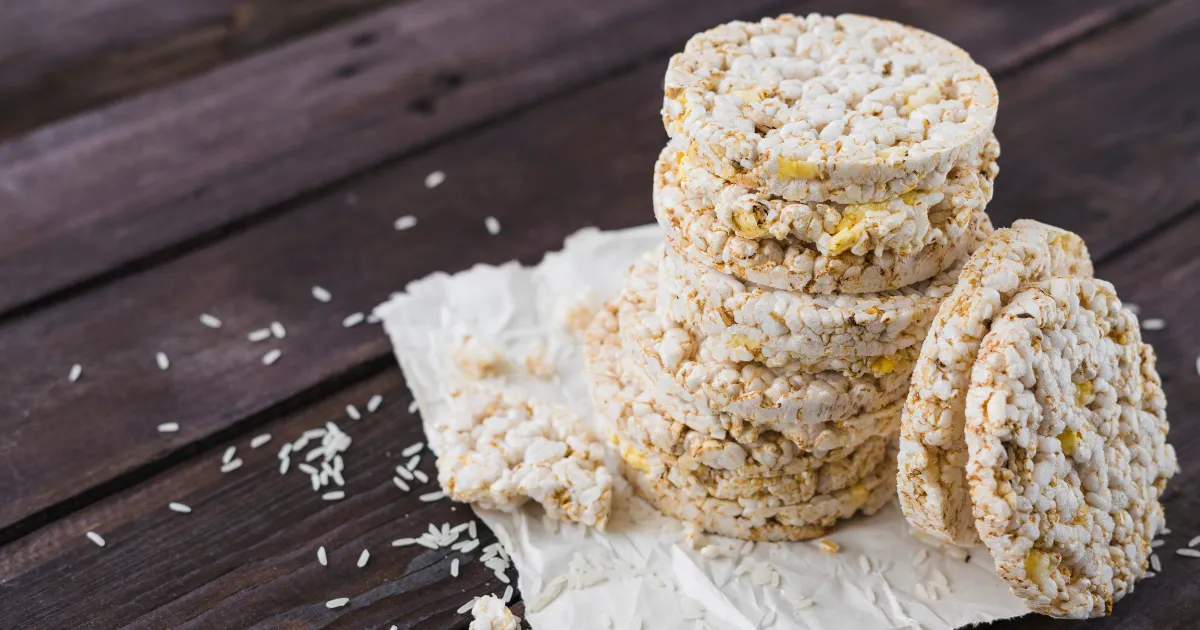
You may know these light, crispy discs as pantry staples. These versatile snacks provide a satisfying crunch, but balanced eating requires knowing what they contain.
Many people ask how rice cakes are made. Manufacturers use high pressure and heat to expand grains into compact, round shapes. This process turns raw starch into the airy snacks you enjoy.
When you review rice cake ingredients, plain types often contain only grain and a pinch of salt. Flavored versions may include added sugars or artificial seasonings.
To understand rice cake nutrition, look beyond the basic product. Your total intake depends on toppings, serving size, and added flavorings. These details can help you add rice cakes to your daily routine with confidence.
Table of Contents
Key Takeaways
- These snacks are created by applying heat and pressure to grains.
- Plain versions typically feature minimal components like salt and grain.
- Always check labels for hidden sugars or additives in flavored options.
- Your total caloric intake depends on the toppings you select.
- Understanding the production process helps you make better snacking choices.
What Rice Cakes Are and How They’re Made
Have you ever wondered how a tiny grain of rice becomes a light, airy cake? Learning how rice cakes are made shows how simple physics creates a crunchy snack.
How puffed rice becomes a compact rice cake
Making these snacks uses modern food engineering. Special machines turn raw grains into familiar discs sold in grocery stores.
Choosing and preparing the rice
First, makers choose high-quality whole grain rice. The grains are cleaned and sometimes slightly moistened. This preparation helps them react to intense heat during the next stage of rice cake production.
Applying heat and pressure to puff the grains
The prepared grains go into a special mold. After sealing, the mold faces high heat and extreme pressure for a few seconds. Moisture inside each grain expands fast, creating puffed rice that fills and fuses in the mold.
Shaping, cooling, and packaging the cakes
When the mold opens, pressure drops, and the grains set into firm, circular shapes. Workers cool the cakes quickly to lock in their crisp texture. Automated packaging lines then help maintain freshness.
How production methods affect texture and flavor
The settings used during heating determine the product’s final quality. Higher pressure often makes a denser, harder cake, while lower pressure creates a lighter, airier bite.
These settings also affect how well a cake holds toppings. A sturdier, denser cake works better with heavy spreads like nut butter. A light, airy cake suits delicate toppings.
How plain, flavored, and coated rice cakes differ
The base process stays the same, but added ingredients can change the final product. Plain varieties use the toasted grain’s natural flavor, while others receive more processing.
For instance, chocolate rice cakes get a thin layer of tempered chocolate on one side after cooling. This adds a sweet contrast to the savory, toasted puffed grain.
| Type | Texture | Best Use |
|---|---|---|
| Plain | Very light and crisp | Savory toppings |
| Seasoned | Medium density | On-the-go snacking |
| Coated | Crunchy with a smooth finish | Dessert cravings |
Rice Cakes Ingredients and Common Additions
When you pick up rice cakes, the ingredient list shows how they were made. These snacks look simple, but the specific rice cake ingredients vary by variety.
The main ingredients in plain rice cakes
Most plain varieties use a short list of components. Whole grain brown rice is usually the main ingredient. Some manufacturers add sea salt to improve the puffed grain’s natural flavor.
These products use high-pressure heat, so they need no complex binders or preservatives. This simple formula attracts health-conscious snackers who choose plain cakes daily.
What flavored rice cakes add to the ingredient list
Beyond plain options, the rice cake ingredient label becomes more detailed. Flavored varieties add ingredients that create tastes for different cravings.
Sweeteners, oils, seasonings, and coatings
Producers add ingredients to create savory or sweet flavors. Common additions include sunflower oil, natural flavors, garlic powder, and onion powder. These ingredients turn a neutral base into a more indulgent snack.
Chocolate, caramel, and other flavor ingredients
Sweet varieties often have icing or glaze. For example, caramel rice cakes often include sugar, corn syrup, and artificial or natural flavorings that mimic traditional candy. These coatings can greatly change the nutrition profile from plain cakes.
How to read a rice cake ingredient label
Scanning the package back helps you make informed choices. Check the total ingredient count to judge how processed the item is.
Identifying added sugar, sodium, and allergens
Check the nutrition facts panel for added sugar and sodium levels. If you have sensitivities, check the allergen statement for soy, milk, or tree nuts. Being vigilant helps your snack match your personal health goals.
Checking whole-grain claims and cross-contact statements
Many brands print “whole grain” on the box, but check the first listed ingredient. Also, look for cross-contact statements if you avoid gluten or other allergens. Use this checklist for your next purchase:
- First Ingredient: Ensure it is whole grain brown rice.
- Sugar Content: Check for hidden sweeteners in flavored varieties.
- Sodium Levels: Compare brands to find lower-salt options.
- Allergen Warnings: Look for “may contain” statements for safety.
Rice Cakes Nutrition and Their Role in Your Diet
Assessing rice cakes in your diet requires a closer look at their main components. Understanding rice cake nutrition shows how they may support your wellness goals.
Calories, carbohydrates, protein, fiber, and fat
Check the Nutrition Facts label to understand what you are eating. Most plain rice cakes calories range from 35 to 50 per cake, depending on size and brand.
The main macronutrient in these snacks is rice cake carbohydrates, which provide quick energy. Plain varieties usually contain little protein, fiber, or fat, making them low in energy density.
| Nutrient | Plain Rice Cake | Impact |
|---|---|---|
| Calories | 35-50 | Low energy density |
| Carbs | 7-10g | Quick fuel source |
| Protein | Minimal contribution |
Why rice cakes may not keep you full on their own
Rice cakes contain mostly air and puffed starch, so they lack filling nutrients. Eating them alone may leave you hungry again soon. Adding substance turns a light crunch into a more satisfying meal.
How toppings can improve a rice cake snack
Choose nutrient-dense rice cake toppings to improve your snack. Healthy fats and proteins slow digestion and help maintain steady energy.
Pairing rice cakes with protein and healthy fats
Spread almond butter or mashed avocado on your cake for healthy fats and protein. These additions create a balanced mini-meal that supports steady focus throughout your afternoon.
Adding fruit and vegetables for fiber and nutrients
Top your snack with sliced strawberries, cucumber rounds, or chia seeds. These foods add fiber, help you feel full, and increase your snack’s vitamin content.
Nutrition considerations for different dietary needs
Rice cake flavors can greatly change a product’s nutrition profile. Chocolate coatings, sugary glazes, and heavy salt seasonings may add hidden sugars and oils, increasing calories.
Gluten-free, vegan, and allergen-conscious choices
Many rice cakes are naturally gluten-free and vegan, so they suit various dietary restrictions. Check the label to confirm that the product meets your allergen needs.
Managing blood sugar and portion sizes
If you monitor blood sugar, consider the glycemic impact of refined rice. Portion control matters because it is easy to eat several cakes at once. Fiber-rich toppings may reduce quick glucose spikes and support steadier energy.
Rice Cake Flavors, Varieties, and Serving Ideas
Rice cakes work as morning treats or afternoon pick-me-ups. They offer a flexible base for creative snacks and many rice cake flavors. Choose a variety based on your hunger and nutrition goals for the day.
Popular rice cake flavors to look for
Many brands offer pre-seasoned options that save kitchen time. Choices range from salted versions to dessert-inspired coatings.
Chocolate rice cakes and their nutrition considerations
Chocolate rice cakes offer a lighter alternative to traditional cookies. They satisfy sweet cravings, but their coating often adds sugar and calories. Check the label to match the sugar content with your dietary preferences.
Caramel rice cakes and other sweet varieties
Caramel rice cakes provide a crunchy, sweet experience like chocolate options. They pair well with coffee or tea. Since sweeteners often add calories, enjoy them as occasional treats, not primary nutrition sources.
Mini rice cake flavors for portioned snacking
If portion control is difficult, mini rice cake flavors offer a helpful solution. These bite-sized snacks come in bags that make intake easier to track. They suit on-the-go snacking when you want a quick crunch without overeating.
Savory rice cake combinations
For a meal-like snack, savory rice cake toppings can turn a plain cake into a satisfying mini-meal. Balance the rice’s crunch with creamy or fresh ingredients.
Avocado, hummus, and vegetable toppings
Spread mashed avocado or creamy hummus on a plain rice cake for healthy fats and fiber. Add sliced cucumbers, radishes, or cherry tomatoes for more texture. This refreshing snack can help you feel full longer.
Nut butter, yogurt, and cottage cheese pairings
For protein, top your rice cake with almond butter or Greek yogurt. Cottage cheese also pairs well with savory herbs, such as dill or black pepper. These toppings balance macronutrients better than a plain rice cake.
| Snack Style | Best Toppings | Primary Benefit |
|---|---|---|
| Sweet | Nut butter, berries, honey | Satisfies sugar cravings |
| Savory | Hummus, avocado, cucumber | Provides fiber and satiety |
| Protein-Rich | Cottage cheese, turkey, seeds | Supports muscle recovery |
How to choose a rice cake for your snacking goal
Choose based on your immediate needs. For convenience, pre-flavored cakes work well during quick trips. For a filling snack, choose a plain base with nut butter or cottage cheese.
The best rice cake fits your lifestyle. Mix varieties to keep your snack routine exciting and nutritious. Experimenting with new combinations helps you discover what works for your body.
Conclusion
Choosing the right snack means balancing convenience with your personal health goals. Rice cakes provide a flexible base, but preparation affects your body. Always check the rice cake ingredients to understand what you consume.
Read the Nutrition Facts label to compare brands such as Quaker and Lundberg Family Farms. This habit helps you understand your favorite products’ rice cake nutrition. Careful label reading can reveal hidden sugars or excess sodium.
Healthy snacking gets easier when you pair these light crisps with nutrient-dense toppings. Avocado, nut butter, or lean protein can turn a simple snack into a satisfying mini-meal. These additions provide fiber and healthy fats that help you stay full longer.
Your best choice depends on your specific dietary needs and overall eating pattern. Try different varieties to find what fits your lifestyle best. Mindful food choices help maintain energy throughout your busy day.
FAQ
How exactly are rice cakes made to get that puffy texture?
What should I look for when reading the ingredient label on a package of rice cakes?
Why do I often feel hungry again shortly after eating a plain rice cake?
How do the nutritional profiles of chocolate rice cakes and caramel rice cakes compare to plain ones?
Are mini rice cake flavors a good option for portion control?
Can I use rice cakes as a base for a savory meal or snack?
Are all rice cakes naturally gluten-free and vegan?