
Table of Contents
Soft gluten free lemon cookies with a gentle lemon flavor
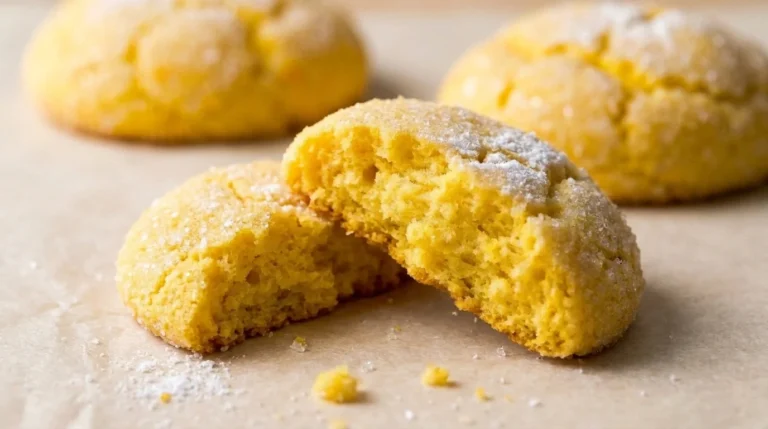
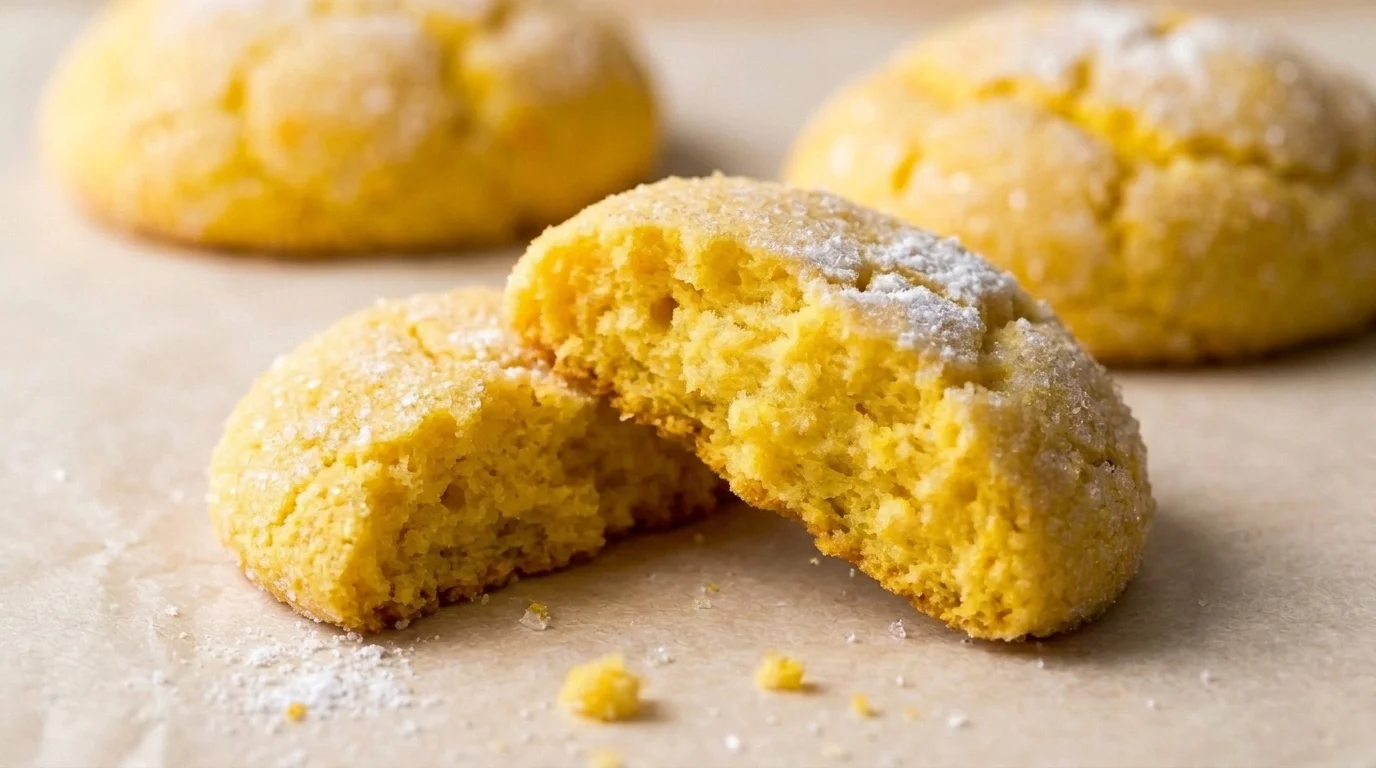
These gluten free lemon cookies are soft in the middle, a little crisp at the edges, and lemony without that sharp, sour bite. The flavor comes mostly from zest, so they taste bright and fresh instead of tart. Glaze them or don’t. Both ways are so good!
This recipe is here because of my son. He and I both have gluten sensitivity, so regular bakery cookies aren’t an option at our house. He loves the taste of lemon. But strong, puckery lemon desserts? Not his thing at all. So I worked on a lemon cookie that tastes like lemon without the sour punch, and this is it. And he liked them a lot!
If you like a big, tangy lemon cookie, don’t worry. I’ll show you how to turn the lemon up with two small changes.
Quick answer: To make soft gluten free lemon cookies, cream softened butter with sugar and the zest of one lemon, beat in an egg, vanilla and 1 tablespoon of lemon juice, then stir in a 1:1 gluten free flour blend that contains xanthan gum. Chill the dough 30 minutes, roll it into balls, coat them in sugar, and bake at 350°F for 9 to 11 minutes, until the edges are set and the middles still look a little underdone.
Why these lemon cookies taste lemony, not sour
Most lemon recipes skip one simple fact. Lemon flavor and lemon sourness come from different parts of the fruit. The flavor lives in the oils in the yellow zest. The sourness comes from the juice, which is mostly acid. So if you want a cookie that tastes like lemon without making a kid squint, you lean on zest and go easy on juice.
That’s the whole idea behind this recipe. One lemon’s worth of zest goes into the dough, rubbed into the sugar first so the oils get released. Only 1 tablespoon of juice goes in, just enough to brighten things.
A few other things soften the edges too:
- Brown sugar. A little light brown sugar gives a soft, almost caramel note that rounds out the lemon. It also holds on to moisture, which keeps the middles chewy for days.
- Vanilla. A full teaspoon. Lemon and vanilla together taste like lemon cake, which is a much friendlier flavor than straight lemon.
- Baking soda. It reacts with the acid in the juice and the brown sugar. That gives the cookies their lift, and it takes a bit of the tang away at the same time.
Then there’s the gluten free part. Gluten free flour needs a little time to soak up liquid, so the dough rests in the fridge for 30 minutes. That short chill keeps the cookies from spreading flat and gets rid of the slightly sandy texture gluten free cookies can have.

Ingredients for gluten free lemon cookies
The list is short and you probably have most of it already. Here’s what each one does.
- Gluten free flour: A 1:1 (cup-for-cup) blend that already has xanthan gum in it. Weigh it if you can. Blends differ a lot in how much a cup weighs, and 245g is what this dough needs.
- Butter: Unsalted and softened, so a finger leaves a dent but doesn’t sink in. Melted butter makes these spread thin. Salted butter is fine too; just leave out the added salt.
- Sugar: Mostly white sugar plus 1/4 cup light brown sugar. The brown sugar is part of what keeps the lemon gentle, so don’t swap it out.
- Lemon: One medium lemon. Zest it first (the yellow part only, since the white pith underneath is bitter), then squeeze 1 tablespoon of juice. Fresh lemon only. Bottled juice tastes flat and a little bitter in baking.
- Egg: One large egg at room temperature. A cold egg can make softened butter curdle into little lumps.
- Vanilla: 1 teaspoon of pure vanilla extract.
- Baking soda and salt: 1/2 teaspoon soda for lift and a soft middle, 1/4 teaspoon fine salt so the cookies don’t taste flat.
One label to check: powdered sugar for the glaze. Most is gluten free, but if you’re baking for someone with celiac disease, check for wheat starch, since not all wheat starch is gluten free.

Which gluten free flour works best?
I use Doves Farm Freee plain gluten free flour. It has no xanthan gum mixed in, so I add 1/2 teaspoon with the dry ingredients. Other blends work too, with a small change or two:
| Flour | What to do | What you’ll notice |
|---|---|---|
| 1:1 blend with xanthan gum | Use as written | Soft middles, crisp edges |
| 1:1 blend without xanthan gum | Add 1/2 teaspoon xanthan gum | Without it, the cookies crumble |
| Starch-heavy or homemade blend | Chill the dough 1 hour instead of 30 minutes | Slightly sandier if not chilled long enough |
| Blend with milk powder | Fine as written, but not dairy-free | Browns a little faster |
| Almond flour | Not a 1:1 swap; use the almond flour version below | Softer, more tender, nutty |
If you bake dairy-free, read the flour label. A few 1:1 blends have milk powder in them, and recipes change, so check even a bag you’ve bought before.
Gluten free lemon cookies: almond flour version
You can make these gluten free lemon cookies with almond flour, but it can’t just replace the blend cup for cup. It has much more fat and no starch, so the cookies spread and fall apart. Make these changes instead:
- Use 2 1/2 cups (280g) blanched, finely ground almond flour plus 2 tablespoons (16g) tapioca starch in place of the gluten free blend.
- Cut the butter to 1/4 cup (57g).
- Cut the lemon juice to 2 teaspoons.
- Use 2 large eggs instead of 1. Keep everything else the same, and chill 30 minutes.
- Bake at 350°F for 10 to 12 minutes. Let them cool on the pan for a full 10 minutes, because they’re fragile while warm.
Use blanched almond flour, not almond meal. Almond meal still has the skins, which makes the cookies darker and a bit gritty. When I tested the almond flour version with just one egg, the cookies came out a little fragile. The extra egg holds them together, which is why this version uses two.
How to make soft lemon cookies
The full steps are in the recipe card below. These are the parts where a little attention pays off.
- Rub the zest into the sugar. Put both sugars and the zest in your mixing bowl and rub them together with your fingertips for about 30 seconds. The sugar turns pale yellow, a little damp, and your kitchen smells amazing. That’s the lemon oil coming out.
- Cream until fluffy. Beat in the softened butter for 2 to 3 minutes, until it looks lighter in color and fluffy. Then add the egg, vanilla and lemon juice. If it looks a bit curdled after the juice goes in, keep mixing for 30 seconds. It comes back together.
- Stir in the dry ingredients on low. Mix just until you can’t see dry flour. The dough will be soft and slightly sticky, like a thick frosting. That’s right, so don’t add more flour.
- Chill 30 minutes. Cover the bowl and refrigerate. After 30 minutes the dough firms up enough to roll and loses that sticky feel.
- Roll and coat. Scoop 1 1/2 tablespoon balls (about 30g each), roll them smooth, and roll them in sugar. Set them 2 inches apart, because they spread a little.
- Pull them early. Bake at 350°F for 9 to 11 minutes. They’re ready when the edges are set and very lightly golden and the middles still look a bit soft and puffy. They’ll look underdone. Trust it! They finish setting on the hot pan.
- Cool on the pan. Leave them on the baking sheet for 5 minutes before moving them to a rack. Warm gluten free cookies are fragile and can break if you move them right away.


How to make gluten free lemon cookies with glaze
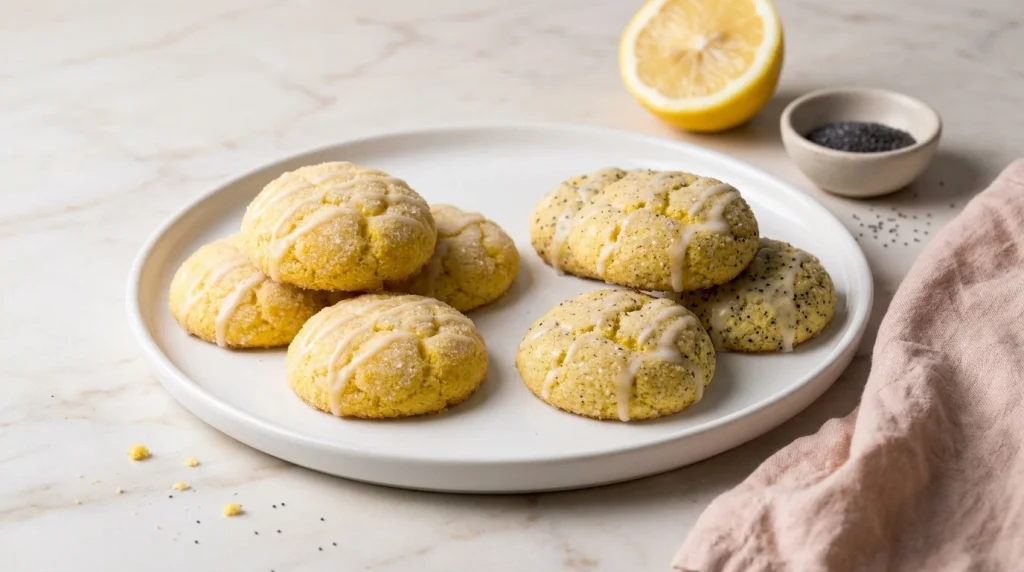
The glaze is optional, but gluten free lemon cookies with glaze look like they came from a bakery. There are two ways to make it.
The gentle glaze, for kids or anyone who doesn’t love tart: whisk 1 cup (120g) powdered sugar with 1 tablespoon lemon juice and 1 to 2 tablespoons milk. It tastes sweet and softly lemony.
The tangy glaze, for lemon lovers: use 2 to 3 tablespoons lemon juice and no milk, plus 1/2 teaspoon zest.
Either way, add the liquid a teaspoon at a time at the end. You want it about as thick as honey, so it falls off the whisk in a ribbon. Too thin and it soaks into the cookies and disappears. Spoon or drizzle it over completely cooled cookies, and give it about 30 minutes to set.
How to make them more lemony
Want the full lemon punch? Make two changes:
- Use the zest of 2 lemons in the dough instead of 1.
- Use the tangy glaze.
Leave the juice in the dough at 1 tablespoon. More juice makes the dough wetter and the cookies spread, and it adds sourness more than flavor.
Easy variations
These are good starting amounts for one batch:
- Lemon poppy seed: Stir 1 tablespoon poppy seeds into the dry ingredients.
- Lemon blueberry: Fold in 1/2 cup dried blueberries at the end. Fresh berries add too much water to this dough and bleed purple.
- Lemon lavender: Rub 1/2 teaspoon dried culinary lavender into the sugar along with the zest. A little goes a long way; more starts tasting like soap.
For a toasty, nutty cookie rolled in sugar the same way, try my black sesame cookies.
Dairy-free and vegan gluten free lemon cookies
These cookies only have dairy in two places, the butter and the milk in the glaze, so making them dairy-free is easy.
For dairy-free cookies, use vegan butter sticks, not a tub spread. Spreads have more water and air, so the cookies spread too much in the oven. Soften the sticks just like regular butter. For the glaze, use a plant milk (oat milk is nice here) or the all-lemon-juice tangy glaze. Also check that your flour blend has no milk powder.
For vegan cookies, make the dairy-free changes and swap the egg for a flax egg. Stir 1 tablespoon ground flaxseed with 3 tablespoons water and let it sit about 10 minutes, until it’s thick and gloopy (Bob’s Red Mill shows how). Golden flaxseed is the better pick here, because brown flax leaves dark specks in a pale lemon cookie.
Two things change when you go vegan:
- The dough is softer. Plant butter softens faster than dairy butter, so chill the dough for a full hour instead of 30 minutes.
- The cookies come out a little more tender and less chewy. They’re still soft and lemony, just more delicate. Let them cool on the pan for 10 minutes.
Troubleshooting gluten free lemon cookies
My cookies spread flat. The butter was probably too soft (or partly melted), or the dough went into the oven before it chilled. A warm baking sheet does it too, so let the pan cool between batches. Next time, chill the dough for the full 30 minutes, and if your kitchen is warm, chill the shaped balls for 10 more minutes before baking.
They stayed puffy and round. That usually means too much flour, which is easy to do when you measure by cups. Weigh it if you can. You can also press each ball down a little with your palm before baking.
They taste a bit gritty or sandy. The flour didn’t get enough time to soak up liquid. This happens more with blends heavy in rice flour. Chill the dough for an hour, or even overnight. It really does fix it.
They came out dry and crumbly. Most likely they baked a minute or two too long. Pull them when the middles still look slightly underdone. They firm up as they cool.
The bottoms browned too fast. Dark baking sheets get hotter than light ones. Use a light-colored pan, or lower the oven to 325°F and add a minute or two.
The glaze soaked in and disappeared. Either the glaze was too thin or the cookies were still warm. Wait until they’re completely cool, and thicken the glaze with a spoonful more powdered sugar.
The lemon flavor is too faint. Lemons lose flavor as they sit around, so use a fresh, firm one with bright skin. Or go up to the zest of 2 lemons. If it’s too strong for your kids, use the gentle glaze or skip the glaze entirely.
Storage, make-ahead and freezing
At room temperature: Keep the cookies in an airtight container for up to 4 days. If they’re glazed, let the glaze set completely first, then layer them with parchment so they don’t stick together. To keep them extra soft, tuck a slice of gluten free bread into the container. The cookies pull moisture from it. (Swap the bread out when it goes hard.)
Make the dough ahead: Cover it and keep it in the fridge for up to 2 days. Let it sit on the counter for 10 minutes before scooping, because cold dough is stiff.
Freeze the dough balls: Roll them (skip the sugar coating), freeze on a tray until firm, then move them to a freezer bag for up to 3 months. Roll them in sugar straight from the freezer and bake. Add 1 to 2 minutes to the bake time.
Freeze the baked cookies: Freeze them unglazed in an airtight container for up to 3 months. Thaw them at room temperature for about an hour, then glaze. Glazed cookies can be frozen too, but the glaze tends to get sticky as they thaw.

Gluten free lemon cookies FAQ
Are lemon cookies gluten free?
Not usually. Regular lemon cookies are made with wheat flour. These use a gluten free flour blend, so they’re gluten free as long as everything else you use is too.
Are these safe for celiac disease?
They can be. Use flour, powdered sugar and vanilla labeled gluten free, and watch for cross-contact from shared bowls, sifters and baking sheets. My son and I have gluten sensitivity, not celiac, and the two aren’t the same. The Gluten Intolerance Group explains what non-celiac gluten sensitivity is and why it’s worth checking for celiac first. If you’re figuring this out for a child, their resources for kids and parents are a good place to start.
Can I use bottled lemon juice?
Only in a pinch. There’s just 1 tablespoon in the dough, so it won’t ruin anything, but fresh tastes brighter. You still need a fresh lemon for the zest, so you might as well squeeze it.
Can I use lemon extract instead of zest?
You can use 1/2 teaspoon lemon extract in place of the zest. The flavor is more like lemon candy than fresh lemon, and you lose the pretty yellow specks. Zest is better here.
Can I use Meyer lemons?
Yes, and they’re a great pick for kids. Meyer lemons are sweeter and less sharp than regular lemons, so the cookies come out even gentler.
Do I need xanthan gum?
Only if your flour blend doesn’t already have it. Check the label. If there’s none, add 1/2 teaspoon with the dry ingredients. Without it, the cookies crumble.
Are these good for lunchboxes?
Yes. They stay soft for days and don’t break easily once they’ve cooled. Unglazed travels better than glazed. My son takes them to school in his lunchbox, and he really enjoys them.
More gluten free recipes to try
Still craving lemon? The gluten free lemon bars are thick, tangy and sit on a buttery shortbread crust, so save them for the grown-ups who like it sour. If you’d rather have a plain cookie to decorate, try the gluten free sugar cookies. For a dairy-free cookie jar, start with these gluten free dairy-free cookies, and if you liked the almond flour option, the almond flour chocolate chip cookies are worth a try. You’ll find everything else on the gluten free cookies page.
If you make these gluten free lemon cookies, I’d love to know how they went. Leave a rating in the recipe card, and tell me in the comments whether you went gentle or full lemon (and what the kids thought!).
Gluten free lemon cookies recipe card
Soft, chewy gluten free lemon cookies with a gentle lemon flavor from fresh zest, rolled in sugar and finished with an optional lemon glaze.