
Table of Contents
The Quick Answer
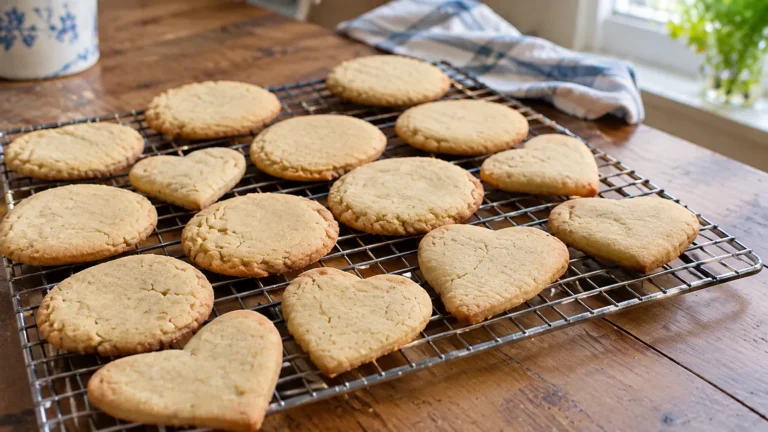
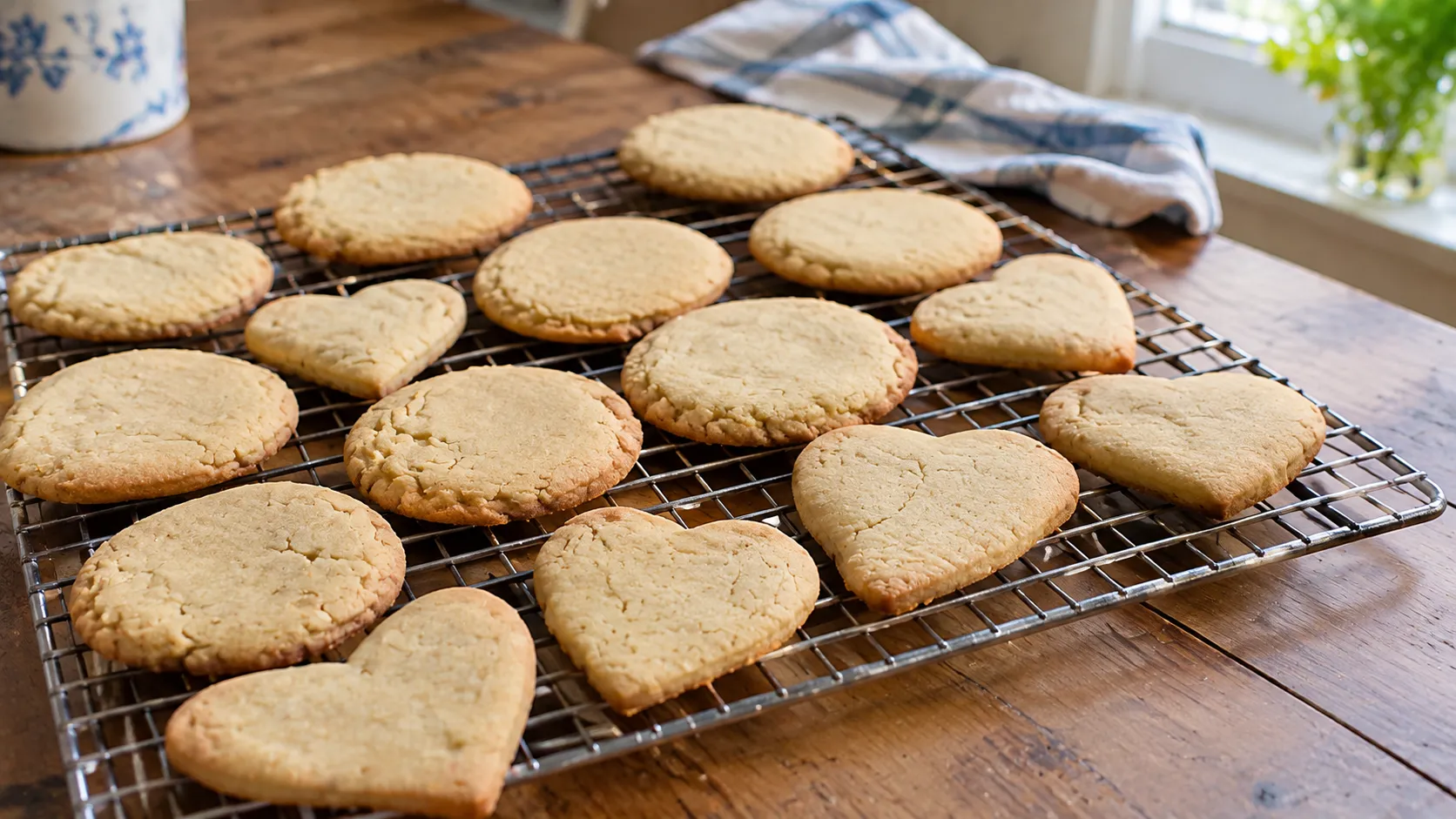
Gluten free sugar cookies take about 20 minutes of hands-on prep, 1 to 2 hours of chilling, and just 8 to 10 minutes in the oven. Roll the dough thick for soft, cakey bakery-style cookies or thin for crisp holiday cut-outs, and the same base adapts easily to dairy-free, egg-free, and nut-free diets.
Why Your Old Recipe Keeps Failing
If you have ever swapped gluten-free flour 1:1 into a family sugar cookie recipe, you probably know the result: sandy, crumbly discs that crack at the edges, spread into puddles, or taste dry by day two. That is not your fault, and it doesn’t mean gluten free sugar cookies are off the table. It is chemistry.
In wheat flour, gluten forms a stretchy protein network that traps moisture and holds a cookie’s shape. Gluten-free flours are mostly rice flours and starches. They absorb liquid differently, have zero elasticity, and need help binding together. A recipe built for wheat simply doesn’t account for that.
The good news? With the right flour blend, a smart binder, and a few pastry-chef techniques, gluten free sugar cookies can be every bit as tender and buttery as the classic. (Hungry for more? Browse our tested gluten-free cookies for other favorites.) This guide covers both cookie personalities people crave:
- Soft, pillowy frosted cookies in the style of the grocery-store bakery favorites, thick and cake-like with a swoop of pink buttercream.
- Clean-edged holiday cut-outs that hold their shape, stay crisp, and give you a smooth canvas for decorating.
One dough, two textures, endless gluten free sugar cookies. Let’s start with the science so you understand why every step matters.
The Science of Gluten-Free Cookie Chemistry
Great gluten free sugar cookies come down to three things: the right balance of flour to starch, a binder that stands in for gluten, and enough fat to keep the crumb moist and tender.
Commercial 1:1 Blends vs. Custom Scratch Blends
Commercial 1:1 blends such as Bob’s Red Mill 1-to-1, King Arthur Measure for Measure, and gfJules are the easiest starting point. They already contain xanthan gum and a tested mix of rice flours and starches, so results are consistent from batch to batch. If you’re baking gluten free sugar cookies for the first time, start here. Whichever brand you choose, check for a gluten-free label: under FDA labeling rules, any food labeled gluten-free must contain less than 20 parts per million of gluten.
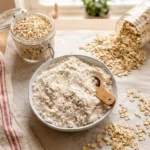
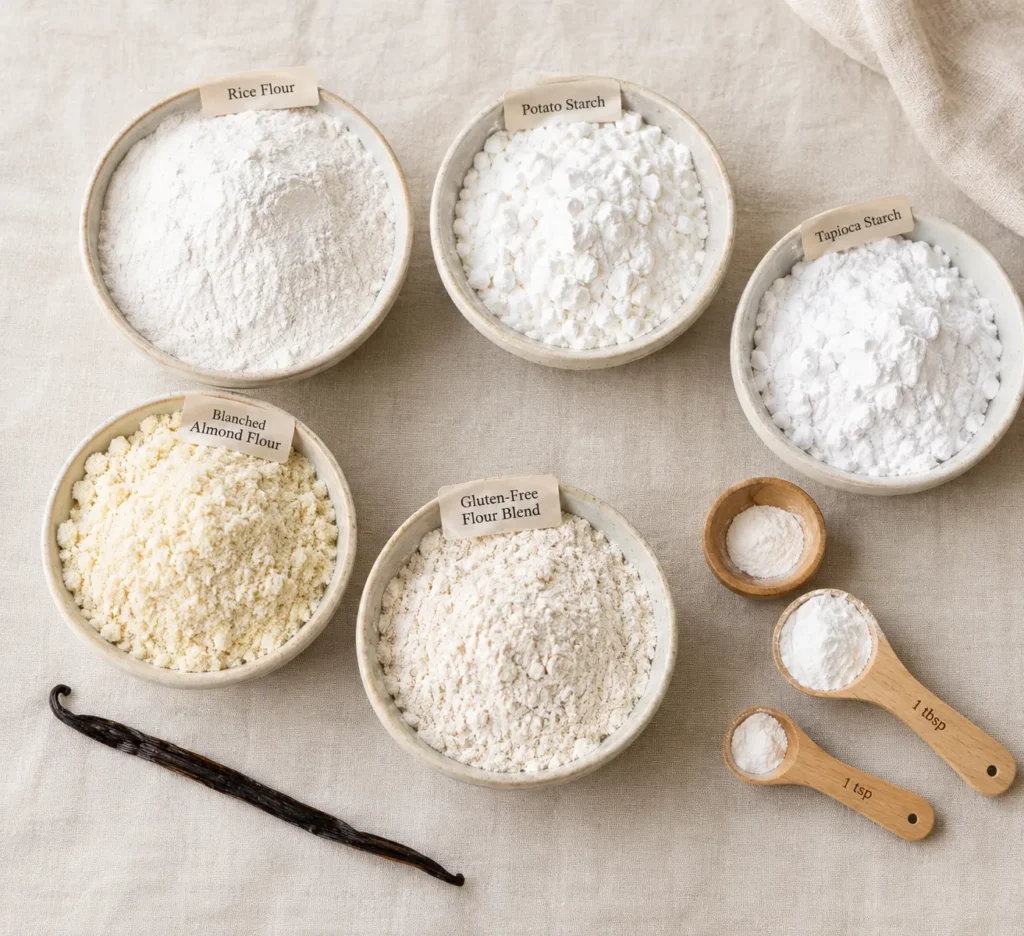
A scratch blend gives you more control. A classic homemade mix combines white rice flour, brown rice flour, cornstarch, and potato starch, and some bakers add a spoonful of dry milk powder for extra tenderness and golden browning. Scratch blends are cheaper in bulk and let you fine-tune texture, but they take a few test batches to perfect.
Pro tip: build your own gluten free sugar cookie mix. Boxed mixes are convenient, but a DIY version costs less and skips the fillers. Whisk the dry ingredients from the recipe below (flour blend, almond flour, sugar, baking powder, salt, and xanthan gum if needed) into a mason jar. Tape the wet ingredients to the lid, and you have a ready-to-bake gift or a shortcut for busy weeks.
The Starch Balance
Each starch plays a specific role in your gluten free sugar cookie recipe:
- White rice flour provides structure and that satisfying crisp snap. Choose superfine rice flour to avoid a gritty mouthfeel.
- Potato starch adds lightness and helps retain moisture for a tender bite.
- Tapioca starch contributes gentle chew and helps edges brown evenly.
Too much starch makes cookies gummy, while too much rice flour makes them sandy. Most successful all-purpose blends land around 60% flour to 40% starch.
The Almond Flour Advantage
Adding blanched almond flour is one of the simplest upgrades you can make to gluten free sugar cookies. Almonds bring natural fat and protein, which gluten-free doughs badly need. The result is a chewier, richer cookie that stays moist for days instead of drying out overnight. Blanched almond flour (skins removed) keeps the dough pale, so your gluten free sugar cookies still look classic, and its mild nuttiness pairs beautifully with a splash of almond extract.
Secret Techniques for Soft vs. Crispy Gluten Free Sugar Cookies
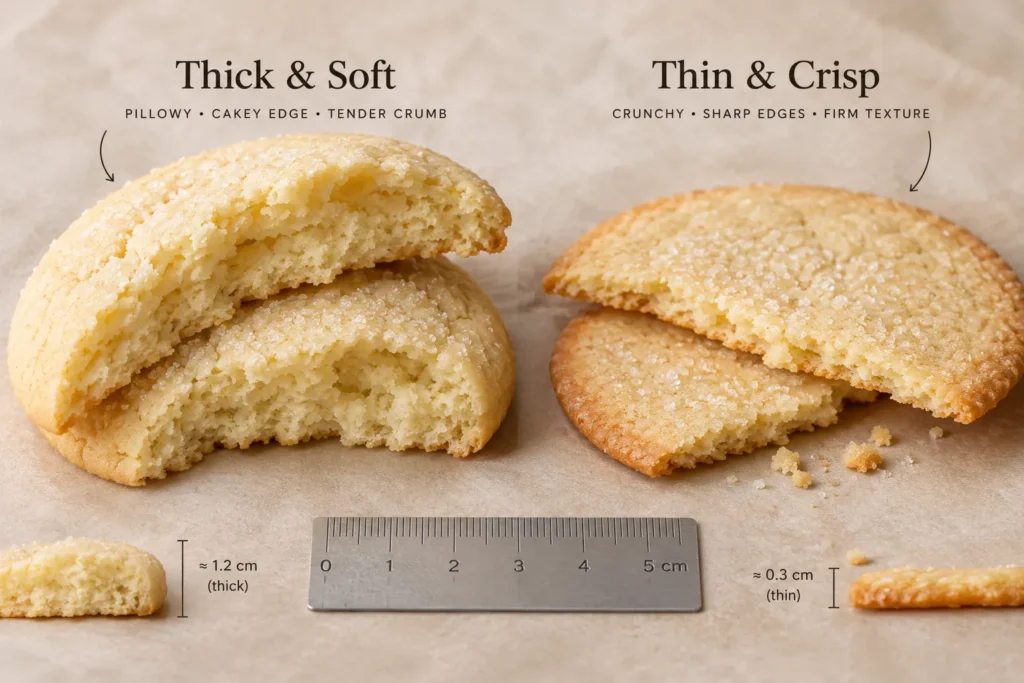
You control the texture of gluten free sugar cookies with four levers: moisture and leavening, chill time, rolling thickness, and bake time. Master these and you can make any style of cookie from one dough.
The Softness Secret: Dairy-Free Yogurt + Extra Baking Powder
For the cakiest, most pillowy gluten free sugar cookies, swap the egg for 1/3 cup of plain, unsweetened dairy-free yogurt and increase the baking powder to 4 teaspoons. The yogurt’s gentle acidity reacts with the leavening for extra lift, while its moisture plumps up thirsty gluten-free flours. The result is a light, tender crumb that tastes like it came from a bakery case, and it doubles as an egg-free swap.
Chilling Is Not Optional
Chill the dough for at least 1 to 2 hours, or up to 6. This step does three important jobs:
- Firms the butter so gluten free sugar cookies hold their shape instead of spreading.
- Hydrates the flours, which softens any grittiness from rice flour.
- Tames stickiness, so the dough rolls cleanly without extra flour.
For razor-sharp edges on cut-outs, give the shapes a second 10-minute chill on the baking sheet right before they go in the oven.
Rolling Thickness Precision
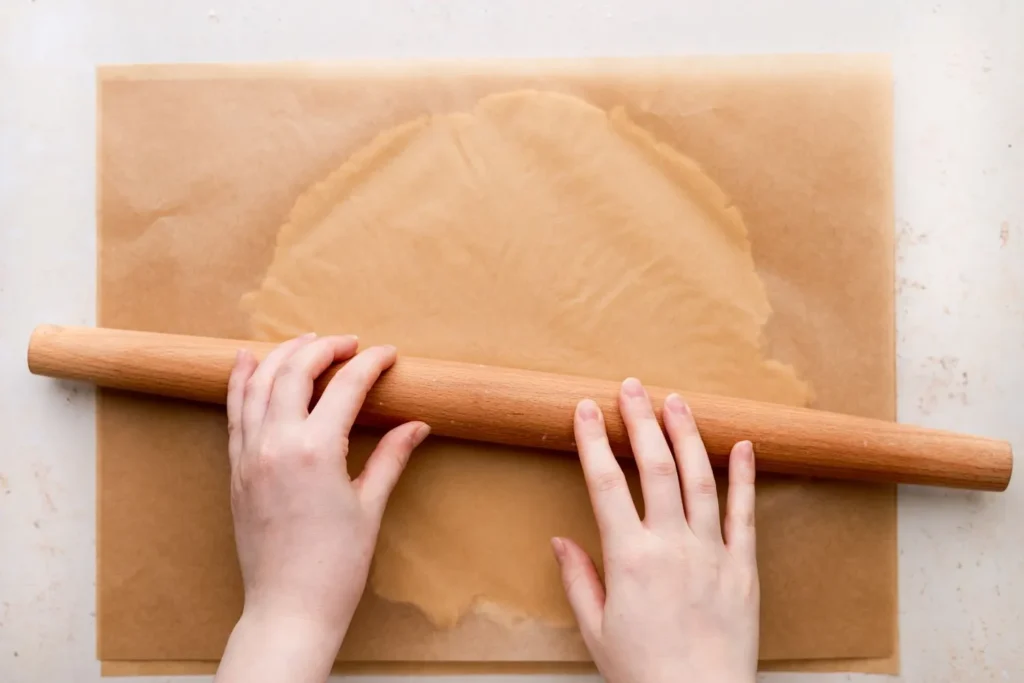
Thickness is the single biggest factor in final texture:
| Style | Rolling thickness | Bake time at 350°F | Best for |
|---|---|---|---|
| Soft, cakey (bakery style) | 3/4 inch | 9–10 min, plus a minute or two if centers look wet | Thick buttercream frosting |
| Crisp cut-outs | 1/4 inch | 8–9 min | Royal icing, detailed decorating, gifting |
Rolling guides or adjustable rolling-pin rings make even thickness effortless, and even cookies bake evenly.
Baking Precision
Bake at 350°F in a conventional oven or 325°F with convection for 8 to 10 minutes. Pull the gluten free sugar cookies when the edges are set but before they turn golden, while the centers still look slightly underdone. They finish baking from residual heat on the pan, which keeps them tender. Thick cookies may need a minute or two longer, and King Arthur’s gluten-free baking guide notes that cookies made with 1:1 flour can need a few extra minutes. An inexpensive oven thermometer is worth it here, since many ovens run 15 to 25 degrees off.
Universal Master Substitution Matrix
One base recipe for gluten free sugar cookies can cover nearly every dietary need with the right swaps, so you can bake gluten and dairy free cookies, egg-free cookies, or nut-free cookies without hunting for a new recipe each time.
| Dietary need | Traditional ingredient | Recommended swap | Why it works |
|---|---|---|---|
| Vegan / dairy-free | Unsalted butter | Plant-based stick butter (e.g., Miyoko’s) | Firm sticks keep structure without the extra water found in tub spreads |
| Egg-free | 1 large egg | 1/3 cup plain dairy-free yogurt | Binds the dry ingredients and adds pillowy moisture |
| No added oil or butter | Butter or shortening | Raw cashew butter | Supplies natural fat and a rich, vanilla-friendly flavor |
| Nut-free | Almond flour | White rice flour plus potato starch or cornstarch | Keeps structure for allergy-safe kitchens |
| Dye-free icing | Artificial food coloring | Pink pitaya (dragon fruit) powder | Vibrant natural pink with no synthetic dyes |
A few notes before you swap. Always choose stick-style vegan butter; soft tub spreads contain more water and cause spreading. When baking nut-free gluten free sugar cookies, confirm your flour blend is made in a nut-free facility, and remember that the cashew butter option is not nut-free. If you’re baking for someone with celiac disease, keep bowls, boards, and cutters free of wheat flour; Beyond Celiac’s guide to cross-contact explains how. Finally, pitaya powder gives the prettiest color when stirred into frosting, not dough, since baking dulls its brightness.
Step-by-Step Gluten Free Sugar Cookie Recipe
This master gluten free sugar cookie recipe makes roughly 24 thin cut-outs or 12 to 14 thick, soft gluten free sugar cookies with a 3-inch cutter. Prep takes about 20 minutes, chilling 1 to 2 hours, and baking 8 to 10 minutes per batch.
Ingredients
Dry base
- 2 cups (296 g) gluten-free 1:1 baking flour blend
- 1/2 cup (48 g) blanched almond flour, or up to 1 1/2 cups (144 g) for a richer, chewier cookie
- 2 to 4 tsp (8–16 g) baking powder (use 4 tsp for the soft, cakey version)
- 1/4 tsp (1.5 g) fine sea salt
- 1/2 tsp (1.5 g) xanthan gum, only if your blend doesn’t include it
Wet base
- 1/2 cup (113 g) butter or vegan stick butter, softened
- 1 cup (198 g) granulated pure cane sugar
- 1 large egg (about 50 g) OR 1/3 cup (80 g) unsweetened dairy-free yogurt
- 1/4 to 1/2 cup (60–120 ml) oat milk or other plant milk, added gradually as needed
- 1 to 2 tsp (5–10 ml) pure vanilla extract
- 1/4 to 1/2 tsp (1–2.5 ml) almond extract
Dye-free creamy buttercream
- 1 cup (227 g) plant or dairy butter, at room temperature
- 3 to 4 cups (360–480 g) powdered sugar
- 1 tsp (5 ml) vanilla extract
- 1 to 2 tsp pink pitaya powder, for natural color
- 1 to 3 tbsp (15–45 ml) oat milk
Instructions
- Cream. Beat the softened butter and sugar with an electric mixer for 2 to 3 minutes, until pale and fluffy.
- Combine wet and dry. Beat in the egg (or yogurt) and extracts, then add 1/4 cup of plant milk. Gradually mix in the dry ingredients just until a dough forms. Add more milk a tablespoon at a time only if the dough looks crumbly, and don’t overmix.
- Chill. Divide the dough into two flat discs, wrap in plastic wrap, and refrigerate for at least 1 to 2 hours (or up to 6).
- Roll and cut. Lightly dust parchment paper and your rolling pin with gluten-free flour or powdered sugar. Roll to 1/4 inch for crisp cookies or 3/4 inch for soft ones. Cut your shapes and move them to a parchment-lined baking sheet with an offset spatula. Chill the tray for 10 minutes while the oven preheats.
- Bake. Bake at 350°F (or 325°F convection) for 8 to 10 minutes, until the edges are set but not browned. Cool on the sheet for 5 minutes, then transfer to a wire rack.
- Frost. Beat the butter, powdered sugar, vanilla, pitaya powder, and oat milk until smooth and fluffy. Pipe or spread onto completely cooled cookies.
Troubleshooting & Storage Guide for Gluten Free Sugar Cookies
Most problems with gluten free sugar cookies trace back to moisture or temperature, which means they are easy to fix once you know where to look.
Why Is My Gluten-Free Dough Crumbly or Dry?
Gluten-free flours soak up more liquid than wheat flour, and different blends vary in thirst. Add room-temperature water or plant milk 1 tablespoon at a time, mixing briefly after each, until the dough holds together when pressed. Also measure flour by weight or with the spoon-and-level method; scooping straight from the bag can add 20% too much.
How Do I Keep Dough From Sticking to the Rolling Pin?
Roll the dough between two sheets of lightly floured parchment paper instead of directly on the counter. You’ll use less extra flour, the cookies stay tender, and you can slide the whole sheet into the fridge for a quick re-chill if the dough softens.
How Do I Fix Separated or Lumpy Buttercream?
Frosting usually breaks when the butter and milk are at different temperatures. Re-whip on medium-high for 2 minutes. If it’s still curdled, let it sit at room temperature for 10 minutes, or briefly warm the bottom of the bowl over warm water, then whip again until it re-emulsifies. This dye-free buttercream is also lovely on layer cakes, so try it on one of our gluten-free cake recipes.
How Should I Store and Freeze These Cookies?
- Day 1: Keep frosted gluten free sugar cookies loosely covered on the counter, not sealed airtight, so the frosting sets and the cookies don’t turn overly soft.
- Day 2 onward: Move them to an airtight container at room temperature for up to 5 days.
- Freezer: Layer baked gluten free sugar cookies, frosted or plain, between sheets of parchment in a freezer-safe container. They keep for 3 to 6 months, with the best texture in the first 3. Thaw in the closed container so condensation forms on the lid, not the frosting.
Frequently Asked Questions About Gluten Free Sugar Cookies
Can I make gluten free sugar cookies without xanthan gum?
Yes. If your 1:1 flour blend doesn’t contain xanthan gum, use 1 teaspoon of psyllium husk powder or 1 tablespoon of ground flaxseed as a binder. Almond flour and cashew butter also help hold the dough together. Starches like potato starch and cornstarch add tenderness but won’t bind on their own, so expect a more delicate cookie without a binder.
Why do my gluten free sugar cookies spread too much in the oven?
Spreading happens when the fat in the dough gets too warm. Chill your cut-out shapes on the baking sheet for 10 minutes right before baking, use stick butter rather than a soft spread, and always bake on a cool pan.
Can I use a store-bought gluten free sugar cookie mix instead?
Absolutely. A boxed gluten free sugar cookie mix works well when you’re short on time. Apply the same techniques from this guide (chill the dough, roll to your preferred thickness, and pull the cookies before the edges brown) to get noticeably better results from any mix.
Are these gluten and dairy free cookies?
They can be. Use vegan stick butter in the dough and frosting, plus oat milk and dairy-free yogurt, and you have gluten and dairy free cookies that still taste rich and buttery. Add the yogurt swap and they’re fully vegan.
Can I make gluten free sugar cookies ahead of time for the holidays?
Yes. Wrapped dough discs keep in the fridge for up to 3 days, and fully baked cookies freeze for up to 6 months. That makes these gluten free sugar cookies ideal for holiday baking marathons, cookie exchanges, and last-minute gifting.
Your Best Batch Starts Now
Perfect gluten free sugar cookies aren’t about luck. They’re about understanding your flour, respecting the chill, and choosing the thickness that matches the cookie you’re craving. Whether you want soft, frosted bakery-style rounds or crisp cut-outs for decorating, this recipe gives you a reliable, allergy-friendly base you can adapt to any table.
Bake a batch of gluten free sugar cookies this week, then tell us in the comments: are you Team Soft or Team Crisp? If you try the dye-free pitaya frosting, share a photo. And when you’re ready for your next bake, explore our full collection of gluten-free desserts.